Author: Binoy

Uncategorized
Standard

Balanced Body Composition & CSLC CAP

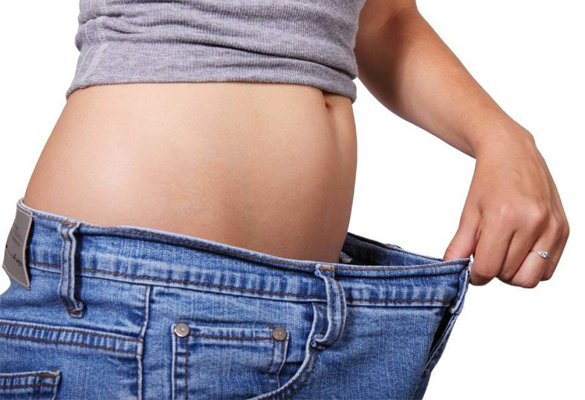
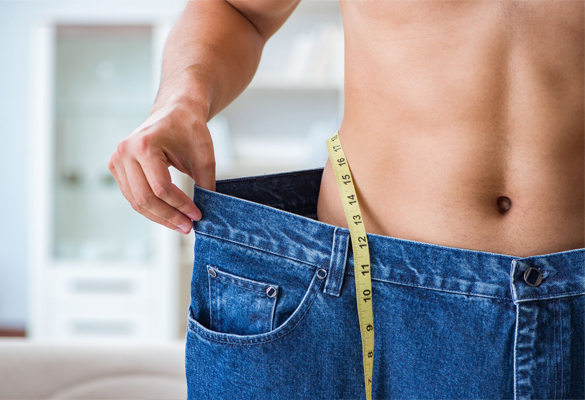
Sculpting Wellness: Achieving Balanced Body Composition with Clinically Supported Lifestyle Correction (Based on Dr. Jolly Thomson’s Approach) Beyond just weight on the scale, “body composition” refers to what your body is made of – primarily the proportion of fat versus lean mass (muscle, bone, water). A balanced body composition, characterized by a healthy fat-to-muscle ratio,

Read More
Uncategorized
Standard

Child development & CSLC CAP

Nurturing Potential: Supporting Child Development with Clinically Supported Lifestyle Correction (Based on Dr. Jolly Thomson’s Approach) Childhood is a critical period of rapid growth and development, encompassing physical, cognitive, emotional, and social milestones. While genetics play a role, lifestyle factors – including nutrition, physical activity, sleep, and emotional environment – profoundly shape a child’s developmental

Read More
blog image
Uncategorized
Standard

Weight reduction & CSLC CAP

Overweight and obesity are defined as abnormal or excessive fat accumulation that may impair health. Body mass index (BMI) is a simple index of weight-for-height that is commonly used to classify overweight and obesity in adults. It is defined as a person’s weight in kilograms divided by the square of his height in meters (kg/m2).

Read More
blog image
Uncategorized
Standard

Atherosclerosis / vessel block & CSLC CAP

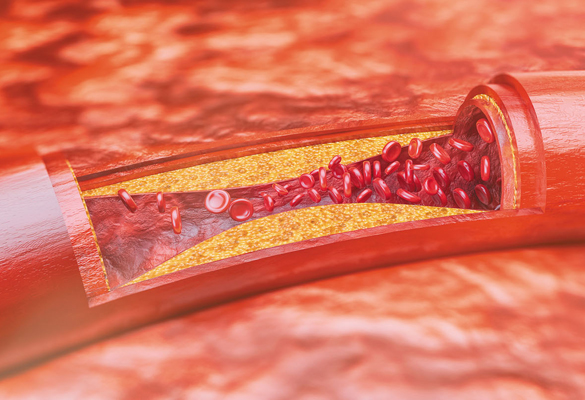
Atherosclerosis is a condition in which there is inflammation in the blood vessel wall with accumulation of inflammatory cells under the mucous membrane leading to a narrowing of blood vessels. Sometimes they break open leading to bleeding in the vessel, clot formation and blocking of blood flow in the area. Typically, atherosclerosis begins in childhood,

Read More
blog image
Uncategorized
Standard

Infertility surgery & CSLC CAP

Most commonly done surgery in male infertility is varicocele surgery. Male factor infertility is usually associated with low semen parameters like reduced sperm count, motility, semen volume, or abnormal sperm morphology. If low semen parameters are associated with varicocele, even if it is mild(grade1 or 2) some doctors advise varicocele surgery. Usually there won’t be

Read More
blog image
Uncategorized
Standard

Combined male and female infertility & CSLC CAP

Nutritional status and the activities of the individual decides the health status and reproductive ability of the individuals. Malnutrition leads to overweight /underweight, both can affect fertility negatively. Adipose(fat) tissue is not just a fat store, but an endocrine gland. Change in the fat volume and the fat composition can affect the hormonal and immune

Read More
blog image
Uncategorized
Standard

CSLC CAP for male infertility

General health and body composition has an important role in the reproductive ability of women. Change in the body, as obesity or underweight, increase in fat mass to lean mass ratio and omega 6 to 3 fatty acid ratio at cell level can affect egg production, implantation and growth of foetus inside the womb negatively.

Read More
blog image
Robot
Standard

Bariatric surgery & CSLC CAP

  The goal of bariatric surgery is weight reduction by surgically forcing the patient to eat less or reducing the body’s ability to absorb nutrients. Obesity and the associated comorbidities like diabetes and its complications forces the patient to undergo risky and expensive bariatric procedures. Final effect of bariatric surgery the weight reduction is achieved

Read More
blog image
Data, Marketing, Tips
Standard

Pregnancy with type1 diabetes & CSLC CAP

When a Type 1 diabetic patient enters pregnancy the requirement of insulin increases due to the added demand on insulin for the foetal growth and development. If there is excess calorie consumption along with increased insulin dose, excess fat deposit associated weight gain can induce insulin resistance and complicates things further. As the insulin demand

Read More
blog image
Data, Marketing, Tips
Standard

Post pregnancy weight gain & CSLC CAP

Pregnant women are advised to take more food and gain weight during pregnancy. In the modern world most women enter pregnancy while they are already overweight or obese. During pregnancy physical activity will be reduced, to avoid various pregnancy associated complications. Added food and rest along with pregnancy associated hormonal changes promote excess fat accumulation

Read More