Cancer: Reversing Metabolic Risk and Inflammation Alongside Oncology Care — Health Optimization in Kochi with CSLC-CAP
Cancer: Reversing Metabolic Risk and Inflammation Alongside Oncology Care — Health Optimization in Kochi with CSLC-CAP
- Dr Jolly Thomson MBBS MD
- August 15, 2026
- 0 Comments
A cancer diagnosis brings one question immediately — what is the treatment? A second question follows more quietly, and it decides a great deal: will the body stand it? Whether surgery heals cleanly, whether chemotherapy can be given at full dose and on schedule, how quickly strength returns afterwards — all of it depends on the condition the body is in.
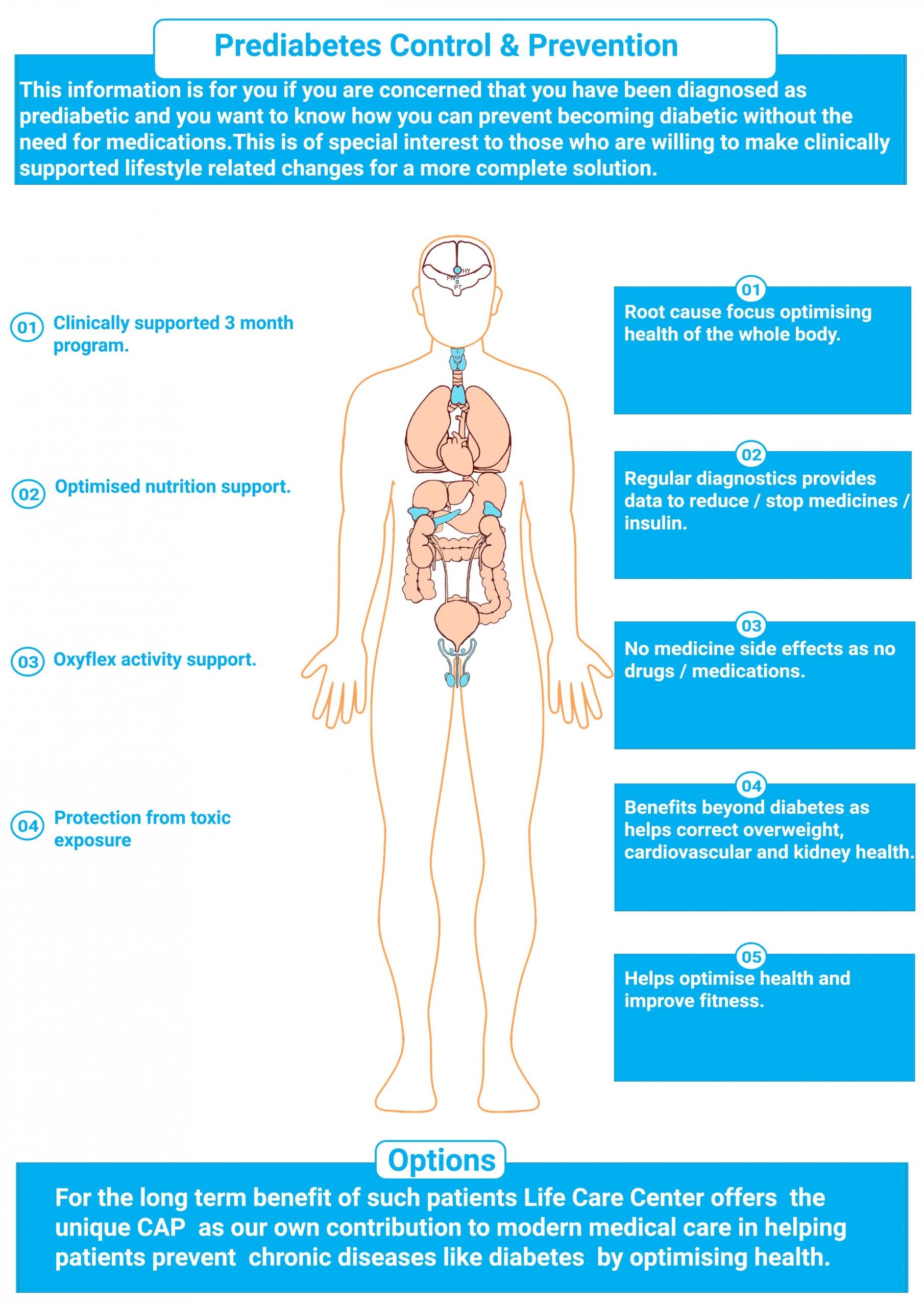
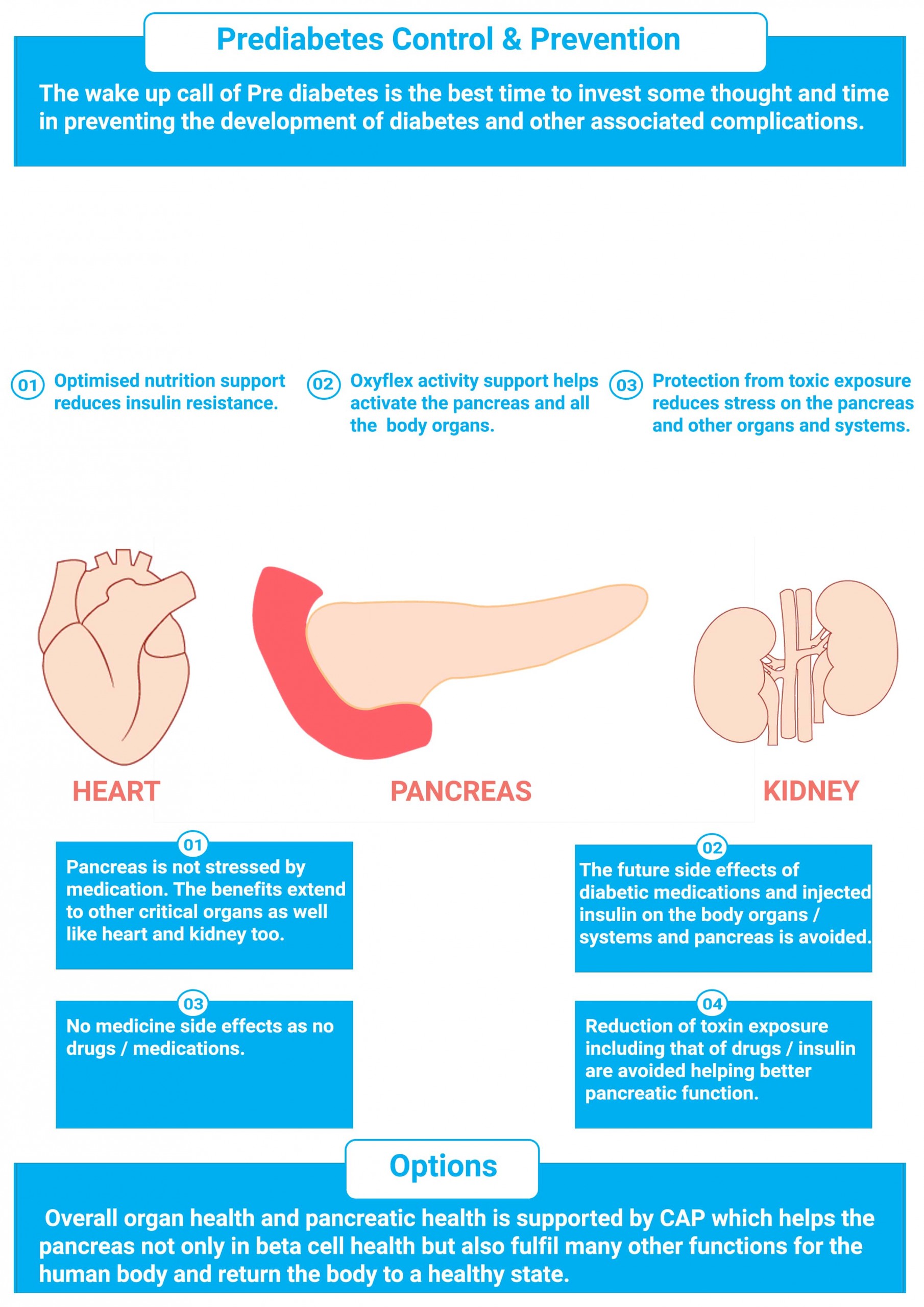
CSLC-CAP is a methodology and treatment for health optimization — a clinically supervised lifestyle-correction approach that works on root causes, delivered at Life Care Centre, Kochi, under modern-medicine doctors. Its purpose is to improve quality of life and to reduce the need for medication and surgical intervention. It rests on a simple proposition: when the body is given optimal nutrition, appropriate stimulation, genuine rest and a lower toxin load, its own systems have the best available conditions in which to correct their biology and repair at the cellular level.
Health care and medical care
Medical care treats disease once it has appeared. Health care works on the condition of the body itself, so that it is better able to resist illness and to repair. Both are necessary, and they are not the same work.
This article is about the first. Cancer treatment belongs to the oncology team — surgery, chemotherapy, radiotherapy, immunotherapy and hormone therapy are theirs, and nothing here substitutes for any of them. What health optimization contributes is the condition of the person receiving that treatment: body composition, insulin resistance, inflammation, muscle and bone, and the diabetes, hypertension, obesity and fatty liver that so often accompany a cancer diagnosis. Treatment matters, but biology decides how well it is borne.
Prevention of non-communicable disease is not a fringe idea in Indian medicine. It is the subject of a recognised postgraduate speciality — MD Community Medicine, long known and still widely called Preventive and Social Medicine — whose syllabus treats non-communicable disease as seriously as infection. Nor is the discipline particular to India: Preventive Medicine is one of the 24 specialties certified by the American Board of Medical Specialties, and Public Health Medicine is a recognised specialty of the General Medical Council in the United Kingdom. The reasoning is ordinary clinical reasoning: correcting fatty liver reduces the likelihood not only of liver failure but of liver cancer, in the same way that reducing alcohol intake does. Acting earlier in a chain that is already understood is standard medicine, not an alternative to it.
What “reversal” means here
The word appears in the title of this article, so its object should be exact.
Reversal here means a measured, sustained improvement in insulin resistance, in inflammatory markers and in body composition — and, where present, remission of the metabolic conditions that accompany cancer. Blood sugar and HbA1c, blood pressure, lipids, hs-CRP, liver imaging, waist circumference and the ratio of lean mass to fat can all move in the right direction, and can be shown to have moved on repeat testing.
It is remission of metabolic disease rather than cure: the underlying tendency remains, and markers can drift back. It is not a claim about the cancer itself. No lifestyle programme shrinks a tumour, and none should be described as though it did.
Metabolic health and cancer risk
A 2026 analysis in Nature Medicine, covering 36 cancer types across 185 countries, attributed 37.8% of new cancers to 30 modifiable risk factors — 7.1 million of the 18.7 million cases diagnosed in 2022. Tobacco smoking accounted for 15.1%, infections for 10.2% and alcohol for 3.2%. The attributable share was higher in men (45.4%) than in women (29.7%). It is a substantial figure and it does not need inflating: the majority of cancer is not explained by anything a person did or failed to do, and cancer occurs in people who have lived carefully.
Excess body fat was assessed by an International Agency for Research on Cancer working group in 2016 as showing sufficient evidence of association with increased risk of at least 13 cancers, including post-menopausal breast, endometrial, colorectal, kidney, liver, pancreatic and oesophageal cancer. The mechanisms are measurable: higher circulating insulin and IGF-1, oestrogen produced in fat tissue, and chronic low-grade inflammation. These are associations with risk, and correcting them is worth doing for the good it does directly — to the liver, the heart, the joints and daily energy — whatever it does to any individual’s chance of developing cancer.
Kerala carries the heaviest cancer burden in South India: a lifetime risk of about one in six for men (17.2%) and one in eight for women (13.0%), well above the national average — though below the rates recorded in the north-eastern states, where incidence is highest in the country.
Late presentation is the more actionable problem. In a ten-year review at a tertiary cancer centre in northern Kerala, 50.9% of patients were already at stage III or IV when first seen, and only 26.2% at stage I or II. Most cancers cause symptoms late; by the time something can be felt, the disease has usually been present for a while. The window in which the most can be done is the early one, and it is reached by testing rather than by waiting.
Children, and exposures that can be reduced
Childhood cancer is not a lifestyle problem and must never be discussed as though it were. The Regional Cancer Centre in Thiruvananthapuram, whose paediatric oncology unit was established in 1982 and was among the first of its kind in India, treats several hundred newly diagnosed children every year. Nothing a parent did causes most of these.
What the state has begun to look at is avoidable exposure. The Kerala State Commission for Protection of Child Rights has run a “lipstick-free campuses” awareness drive in schools, encouraging children away from routine cosmetic use. It is an awareness initiative rather than a ban, and the Commission has not claimed that lipstick causes cancer — the concerns raised are the chemical content of some cosmetic products and the pressure on children around appearance.
Taken in that spirit it is a sound idea, and it belongs to the same principle as reducing tobacco smoke, unnecessary additives and avoidable chemical load in a household: exposures accumulate over a lifetime, childhood is the longest part of that lifetime, and the ones that are easy to avoid are worth avoiding.
Where health optimization has a role
Before any diagnosis
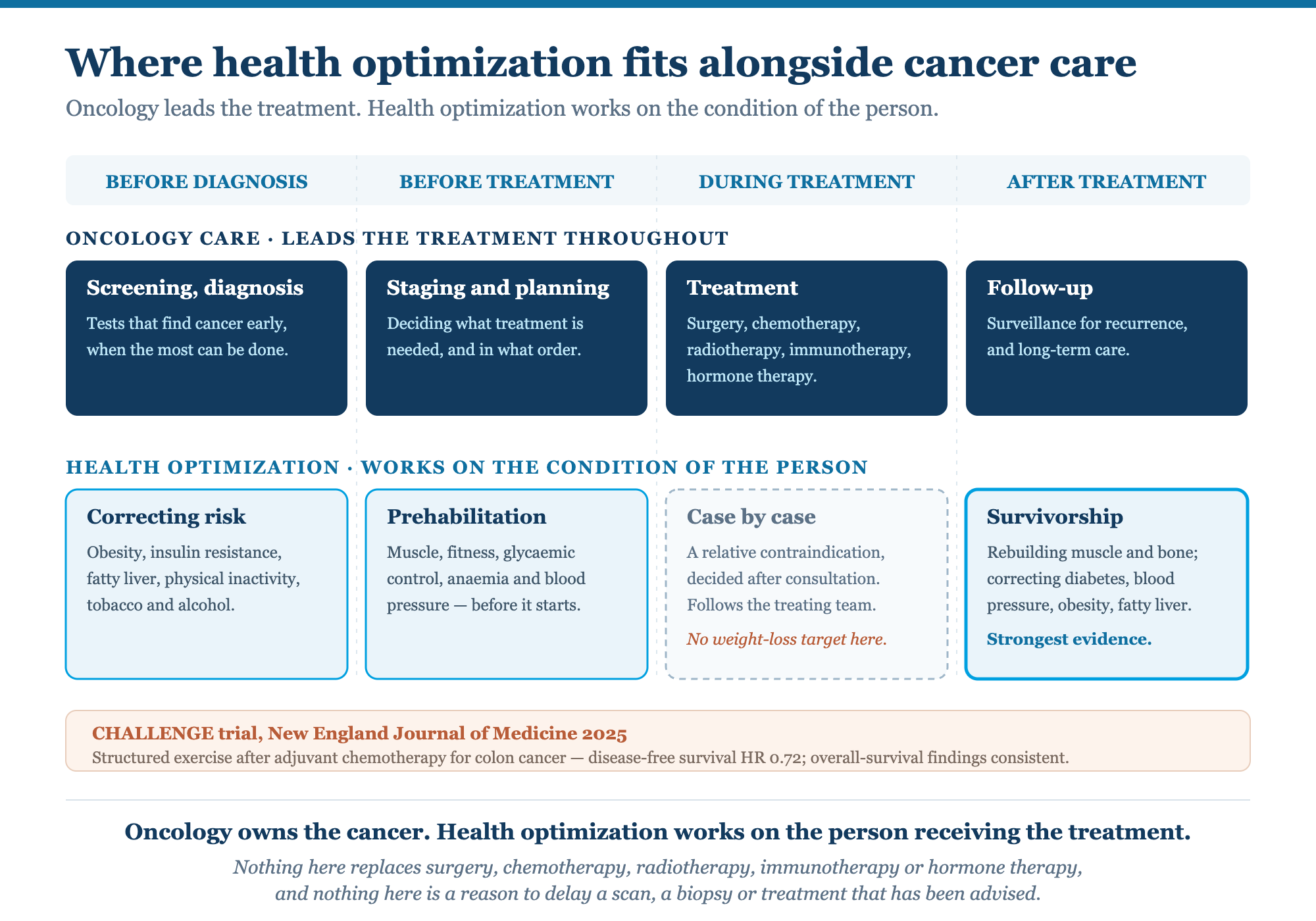
For a person carrying the metabolic pattern associated with higher risk — central obesity, insulin resistance, type 2 diabetes, fatty liver, a sedentary routine — correcting it improves cardiovascular risk, liver disease and quality of life on measurable evidence, and acts on factors associated with cancer risk.
Inherited predisposition
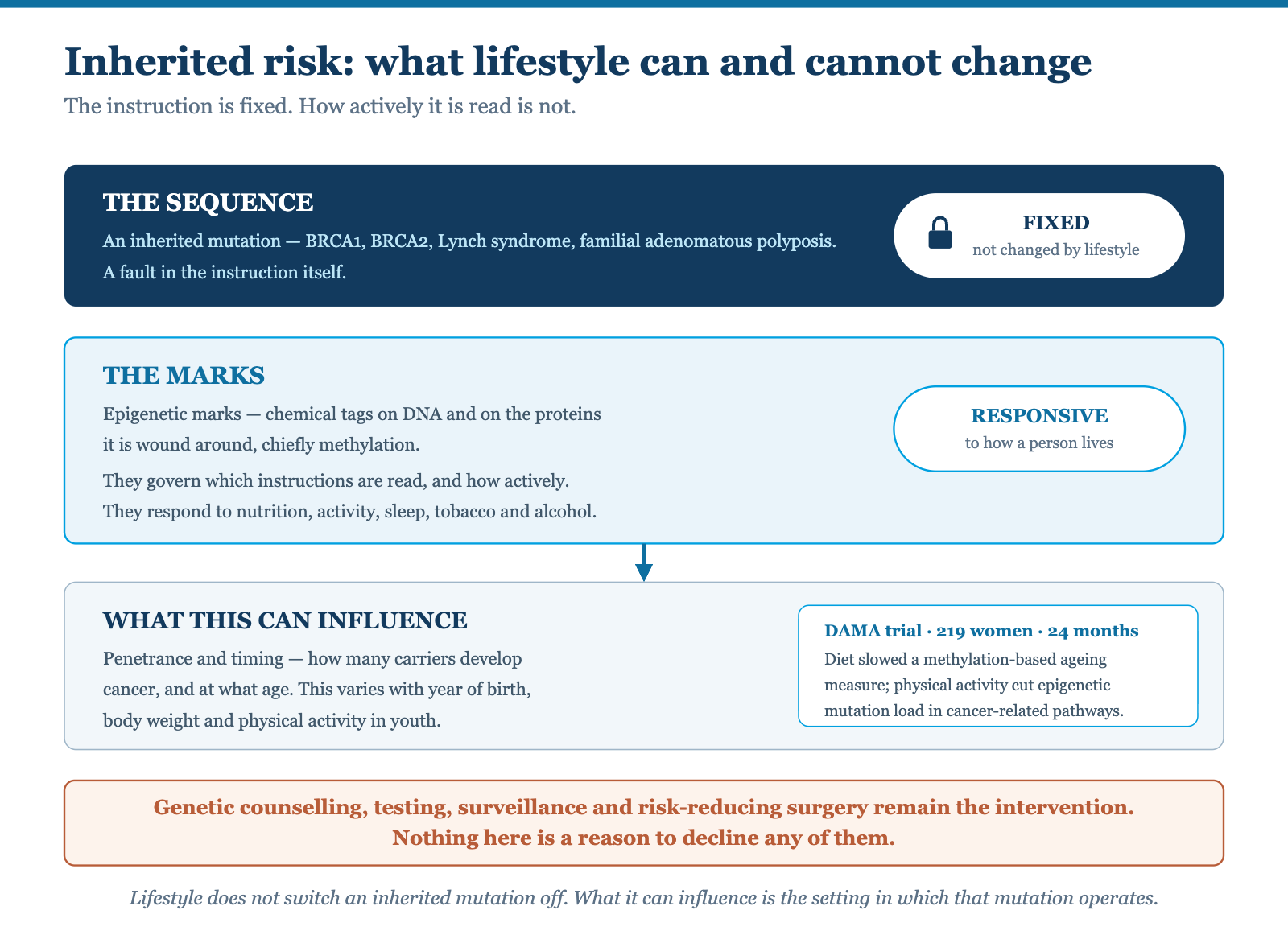
For families with a pattern suggesting BRCA1, BRCA2, Lynch syndrome or familial adenomatous polyposis, genetic counselling, testing and the recommended surveillance programme are the intervention, and risk-reducing surgery where offered has a strong evidence base.
But carrying a mutation is not the same as certainty, and part of the reason is epigenetic. Genes hold the instructions; epigenetic marks — chemical tags on DNA and on the proteins it is wound around, chiefly methylation — govern which instructions are read, and how actively. Unlike the sequence itself, these marks respond to how a person lives. This is not peripheral to cancer biology: silencing of tumour-suppressor genes by promoter methylation is one of the established routes by which cancer arises.
There is human trial evidence that living differently moves these marks. The DAMA trial randomised 219 postmenopausal women with high mammographic breast density to diet, physical activity, both or neither, for 24 months. The dietary arm — plant-based, low glycaemic load, rich in antioxidants — slowed a methylation-based ageing measure by 0.66 years against controls. The physical activity arm reduced epigenetic mutation load by the equivalent of about two years, and the effect fell on cancer-related pathways, breast cancer among them. The two worked through different mechanisms and added to one another rather than overlapping.
Penetrance points the same way. How many carriers of a mutation develop cancer, and at what age, varies with year of birth, body weight and physical activity in youth — variation the mutation alone cannot account for.
The limit deserves stating as plainly as the possibility. An inherited mutation is a fault in the instruction itself, and no epigenetic change repairs it. Lifestyle does not switch a BRCA mutation off, and nothing here is a reason to decline testing, surveillance or risk-reducing surgery. What can be influenced is the setting in which that mutation operates — the modifiable share of a risk that is already raised, and the fitness to come through risk-reducing surgery well.
Before surgery, chemotherapy or radiotherapy
The weeks between diagnosis and the start of treatment are usually spent waiting. Used well, they can be spent correcting anaemia and nutritional deficiency, improving glycaemic control, bringing blood pressure into range, and building the muscle and cardiorespiratory fitness that predict surgical recovery. Poorly controlled diabetes, obesity, untreated hypertension and low muscle mass all raise anaesthetic and surgical risk. Programmes of this kind — prehabilitation — reliably improve measured fitness before an operation, and Enhanced Recovery After Surgery pathways rest on the same reasoning.
During active treatment
Entry during chemotherapy or radiotherapy is decided case by case after consultation. Nutritional needs during treatment differ from those of a metabolic correction programme, appetite and bowel function are often disturbed, and steroids in many regimens raise blood sugar substantially. Where support is given in this period it follows the treating team’s requirements.
After treatment
This is the largest group and the evidence is strongest here. People who complete treatment successfully are often left with a metabolic problem no one has taken ownership of. Androgen deprivation therapy causes insulin resistance, muscle loss and bone loss. Aromatase inhibitors accelerate bone loss. Steroids can leave persistent hyperglycaemia. Some regimens carry long-term cardiac risk, and deconditioning and fatigue can last years. For many survivors it is cardiovascular and metabolic disease, not the original cancer, that becomes the main threat to life and to independence.
The CHALLENGE trial (New England Journal of Medicine, 2025) randomised 889 patients who had completed adjuvant chemotherapy for stage III or high-risk stage II colon cancer to a three-year structured exercise programme or to health-education materials. Disease-free survival was significantly longer in the exercise group (hazard ratio 0.72; 95% CI 0.55–0.94), with five-year disease-free survival of 80.3% against 73.9%; the overall-survival findings were consistent with longer survival (hazard ratio 0.63; 95% CI 0.43–0.94). It remains the clearest demonstration that structured activity after treatment does more than improve wellbeing.
Benign and non-malignant conditions
Thyroid nodules and multinodular goitre, benign breast lumps, fibroids and benign uterine swellings, and endometrial hyperplasia are followed, biopsied and sometimes operated on. Endometrial hyperplasia has the clearest metabolic driver: unopposed oestrogen, much of it produced in fat tissue, with insulin resistance and polycystic ovary syndrome commonly in the background. Weight and insulin correction address that mechanism directly, alongside gynaecological management — hyperplasia with atypia carries a real risk of progression and is managed on its own protocol. Nodules and lumps continue to need their own assessment by ultrasound and, where indicated, biopsy.
Under active surveillance
Some cancers found early and graded low-risk are monitored rather than treated immediately — low-grade prostate cancer and small low-risk papillary thyroid cancers are the usual examples. The fifteen-year results of the ProtecT trial (New England Journal of Medicine, 2023) found prostate-cancer mortality was low and statistically indistinguishable across all three approaches — 3.1% with active monitoring, 2.2% after surgery and 2.9% after radiotherapy (P = 0.53).
Surveillance is a protocol a patient qualifies for, on the basis of biopsy grade and imaging — the biopsy is what makes safely doing less possible. For a man with urinary symptoms, an enlarged prostate, a raised PSA and metabolic disease there is much worth correcting, and asking the urologist about MRI and PSA density before proceeding is a reasonable, guideline-concordant question.
Advanced disease, clinically stable
Where disease is advanced but stable and treatment is palliative, the goals change without disappearing: strength, appetite, mobility, sleep and independence; diabetes and blood pressure controlled without a burden of tablets or hypoglycaemia; fitness enough to tolerate the treatment on offer. Early supportive care given alongside oncology has its own evidence — Temel and colleagues (New England Journal of Medicine, 2010) found it improved quality of life and mood in metastatic lung cancer, with longer survival despite less aggressive treatment at the end of life.
Fat, muscle and bone — and why cachexia is a different thing
Weight is the wrong measure, and using it causes confusion in cancer care.
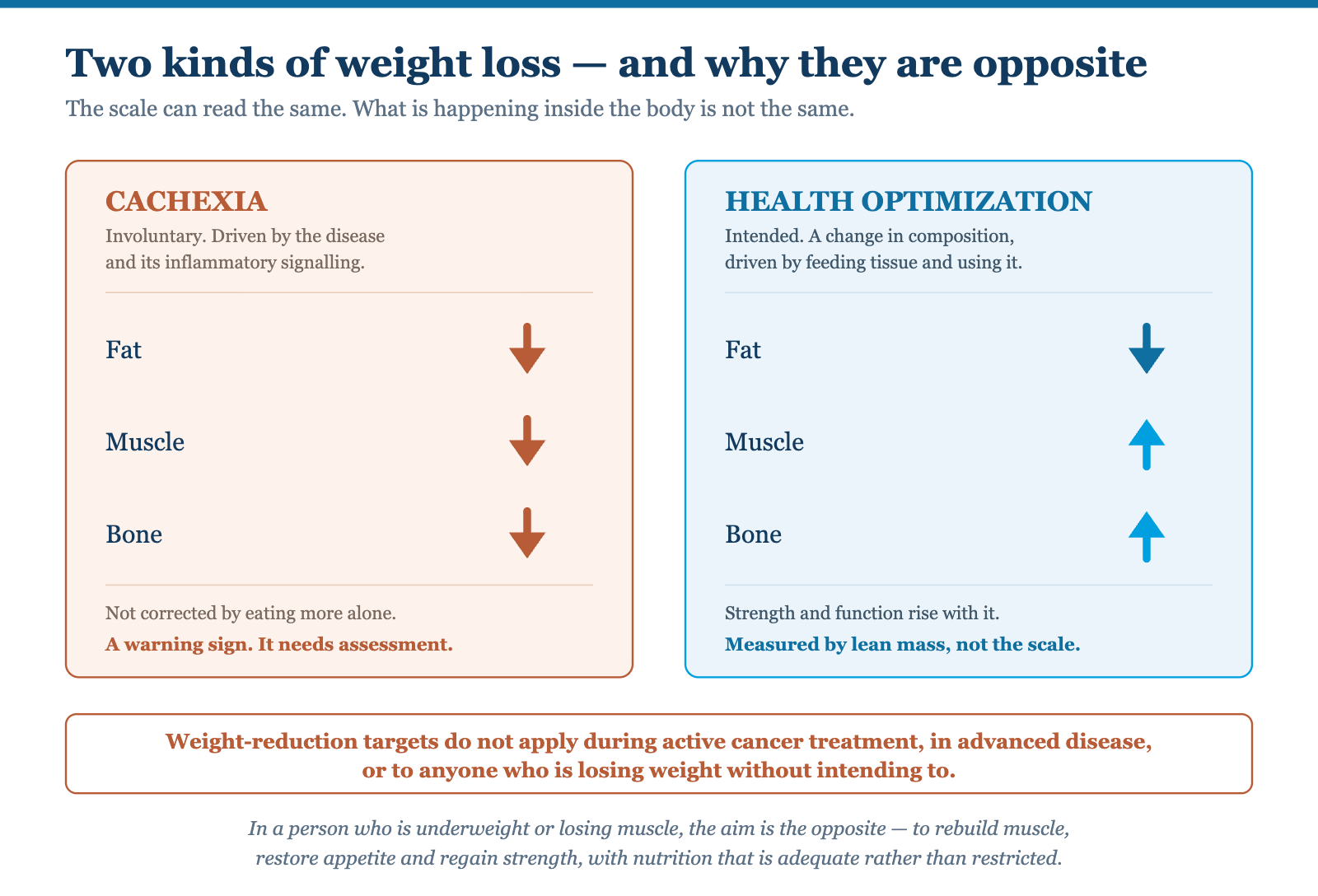
Cachexia is involuntary loss. Seen in advanced cancer and during treatment, it takes fat, muscle and bone together, driven by the disease and its inflammatory signalling. It is not corrected by eating more alone, it carries a poor prognosis, and it needs to be recognised and managed as the clinical problem it is.
Weight reduction under health optimization is a different process with a different target. The aim is reduction in fat mass only, with muscle and bone mass increasing, achieved through optimal nutrition and graded activity. The two are opposite in mechanism: one is loss of everything, driven by disease; the other is a change in composition, driven by feeding tissue properly and using it.
This is why the measure that matters is lean mass, bone and strength rather than the reading on a scale — and why anyone losing weight without intending to needs assessment, not encouragement.
The four optimization domains
| Domain | What it addresses |
|---|---|
| Optimal nutrition | Supplying the full range of nutrients the body needs in order to repair, including dietary fibre, in a nutrient-dense form with minimal additives, so cells are not rebuilding while short of materials. |
| Optimal exercise | Gentle, segmental movement performed lying down and then sitting, working through the body part by part in a set order, graded to what the person can manage. No gym or equipment is involved, so it remains possible with painful joints, stiffness or limited stamina. |
| Rest and sleep | Recovery, without which repair and immune regulation do not function well however good the nutrition. |
| Reduced toxin load | Lowering avoidable exposure — tobacco and alcohol first, then additives and unnecessary chemical load — so the body spends less of its capacity handling them. |
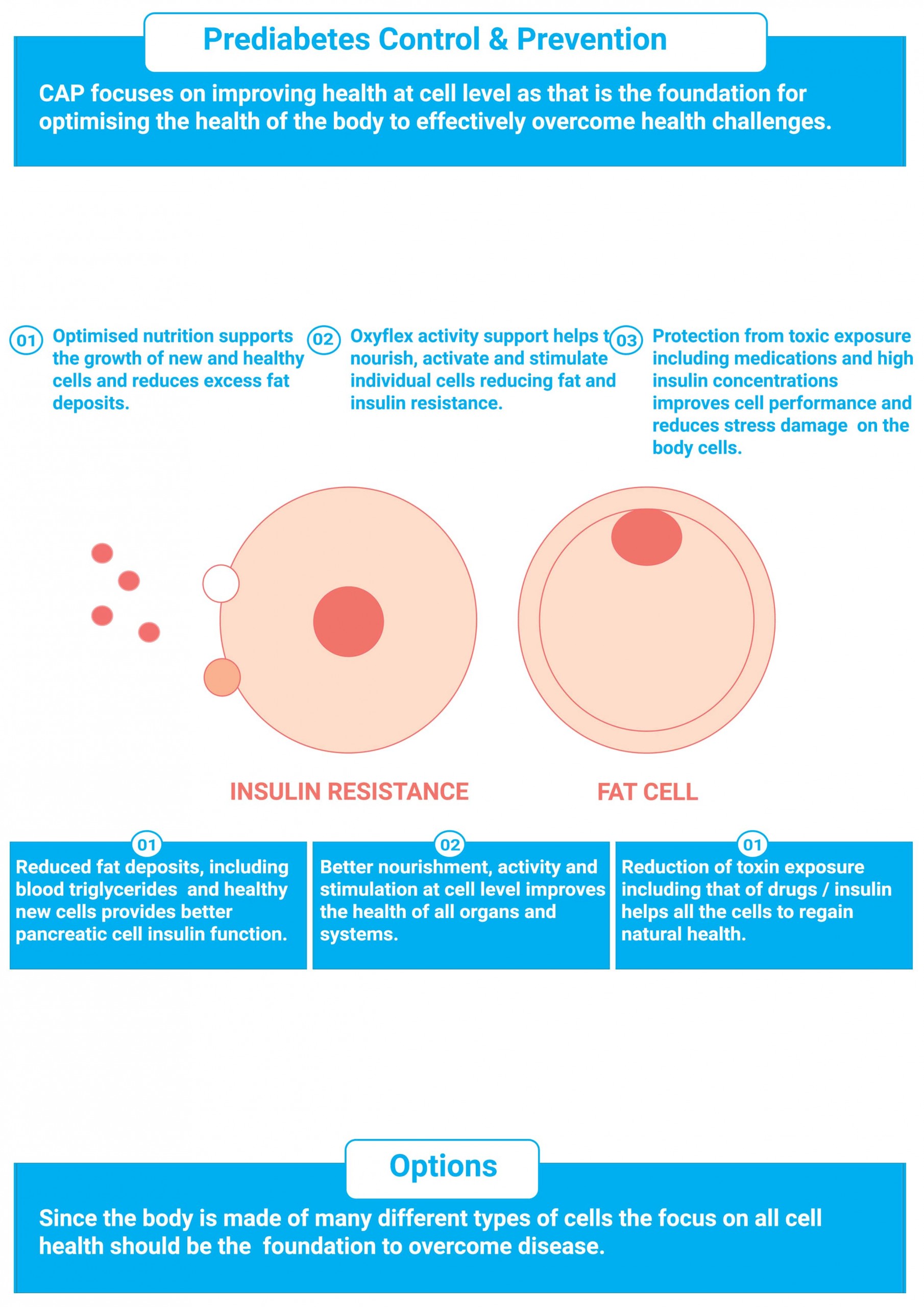
Delivered together and consistently, these same four domains are intended to create favourable conditions at cell level: better delivery of oxygen and nutrients into cells, and better clearance of waste out of them.
ഈ വിഷയം മലയാളത്തിൽ — the same subject in Malayalam
Both sessions below are in Malayalam, from Dr Jolly Thomson’s Malayalam channel.
Why the first 90 days matter
Many cells renew quickly. Most white blood cells survive less than a week, and the linings of the gut and airways turn over in roughly one to two weeks. The working estimate is that a large majority of these fast-renewing cells may be replaced within about 90 days, which is why improvement in symptoms and inflammatory markers tends to arrive within that period rather than after years. It applies to immune cells and mucosal linings; blood vessel walls, bone and nerve change over considerably longer.
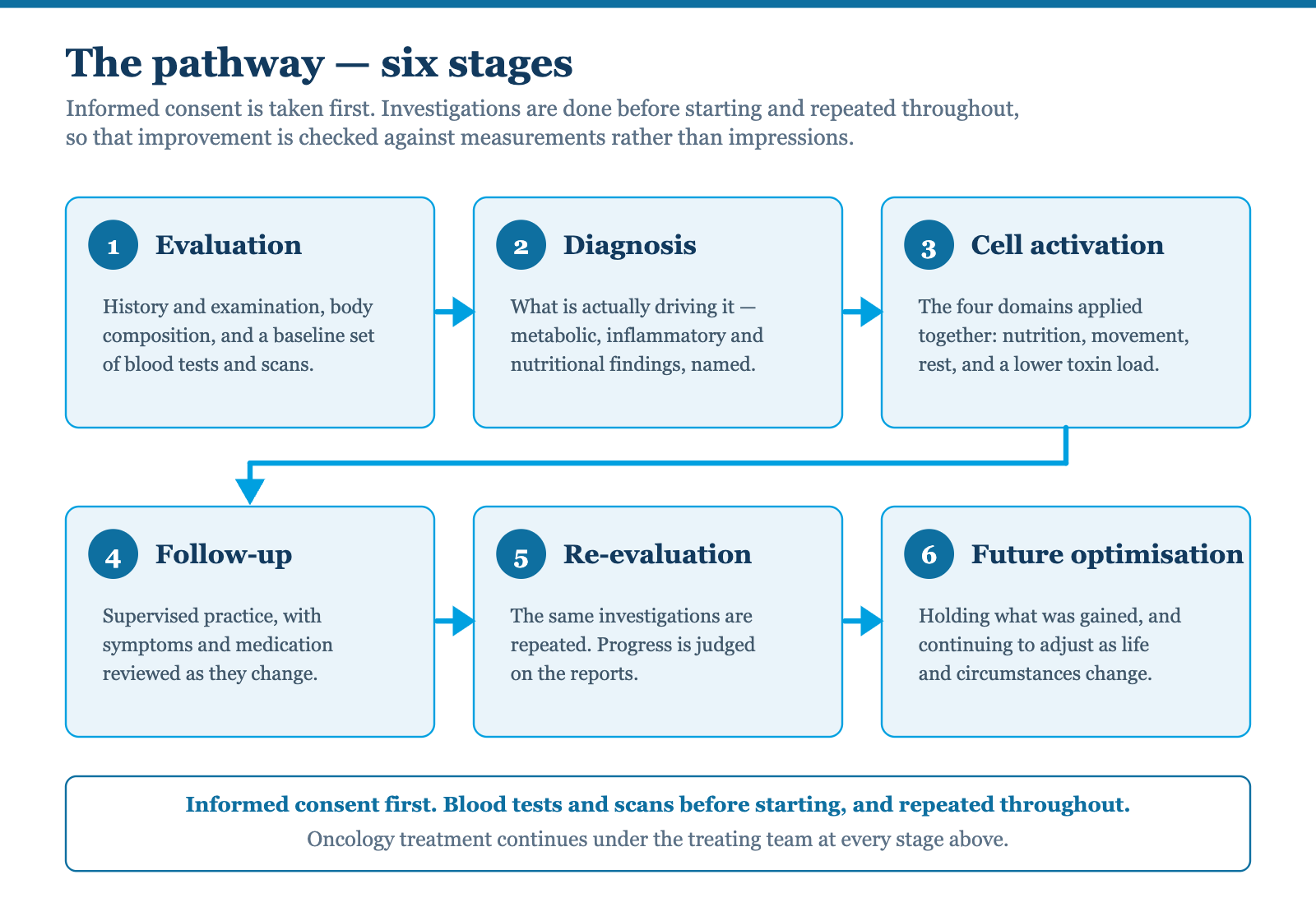
The pathway runs through six stages — evaluation, diagnosis, cell activation, follow-up, re-evaluation and future optimisation. Informed consent is taken first, and blood tests and scans are done before starting and repeated throughout, so that improvement is checked against measurements rather than impressions.
Suitability
To take part, a patient must be clinically stable, and fit mentally and physically — able to understand, learn and practise the routine, able to take at least a liquid diet along with the centre’s nutritional support, and able to do gentle exercise lying down and sitting. The first 90 days must be given real priority. Where physical or mental limitation prevents independent practice, a family member enrolls alongside.
Medication
Oncology medicines should be continued as directed by the oncologist. Hormone therapies such as tamoxifen, aromatase inhibitors and androgen deprivation are part of cancer treatment, and decisions about them rest with the oncology team and the patient together.
All other medications taken for metabolic disorders such as type 2 diabetes, hypertension and dyslipidaemia, and anti-inflammatory medications for asthma, allergy and arthritis — where symptoms settle and repeat testing shows improvement, doctors may consider reducing medication step by step, guided by reports. Many patients are able to reduce or stop such medications within a month or two, depending on the patient’s ability and dedication in following the health optimization protocol and the body’s ability to repair.
No medicine should be reduced or stopped independently, and a steroid must never be stopped suddenly.
Frequently asked questions
What does health optimization do for someone with cancer?
It works on the condition of the person rather than on the cancer: body composition, insulin resistance, inflammation, muscle and bone, and the diabetes, hypertension, obesity and fatty liver that commonly accompany a diagnosis. These are worth correcting in their own right, and better general condition is associated with better tolerance of treatment. Cancer treatment itself remains with the oncology team.
Can correcting metabolic health reduce cancer risk?
For some established chains, yes — treating fatty liver reduces the likelihood of cirrhosis and liver cancer, and reducing alcohol lowers liver cancer risk. More broadly, 37.8% of new cancers are attributable to 30 modifiable risk factors, and excess body fat is assessed as showing sufficient evidence of association with at least 13 cancers. What cannot be promised is a change in any individual’s chance of developing cancer.
When is the right time to start?
Before treatment, the interval between diagnosis and starting oncology treatment is usable time and better condition at the start helps. After treatment is the period with the strongest evidence. During chemotherapy or radiotherapy, entry is decided case by case, and any support follows the treating team’s plan.
Is weight loss the goal?
No. The goal is reduction in fat mass — if there is obesity or excess fat — with muscle and bone mass strengthening. Cachexia — involuntary loss of fat, muscle and bone in advanced cancer or during treatment — is an entirely different process and requires clinical management rather than any weight target. Anyone losing weight without intending to needs assessment.
Is this available for patients outside Kerala?
Yes. A telemedicine consultation with current medical records is the usual starting point, with evaluation and investigation in Kochi thereafter and follow-up by telemedicine.
Related reading
- Autoimmune Diseases: Reversing Autoimmune Inflammation — the same
four domains applied to an overactive immune system, and what “reversal” means there. - Age-Related Lifestyle Diseases: Reversing Insulin Resistance and
Inflammation — insulin resistance and inflammaging, the metabolic pattern referred to
throughout this article. - CSLC-CAP — approach summary and information sheet — consent,
investigations, the pathway and eligibility in one place. - Arthritis: Reducing Medication and the Need for Surgery — the same division of labour, applied to the joints: what changes, what does not, and where surgery still belongs.
- Fatty Liver: Reversing Liver Fat and Fibrosis — the raised cancer risk that untreated cirrhosis carries, and how far back along that path the change can still be made.
Important note
⚠️ IMPORTANT: This article is educational and is not medical advice. Do not start, stop or change any medication without your treating doctor’s supervision.
Use it to ask better questions of your oncologist and your own doctors, and to decide together.