Mental Disorders: The Root Cause Beneath the Chemistry
Mental Disorders: The Root Cause Beneath the Chemistry
- Dr Jolly Thomson
- September 16, 2026
- 0 Comments
Mental disorders root cause — the role of clinically supported lifestyle correction in correcting the derailed chemistry, alongside the psychiatric treatment.
Dr Jolly Thomson MBBS MD · Life Care Centre, Thevara, Kochi
Summary
The question. Psychiatric illness is treated as a chemical problem in the brain, and the medicines that adjust that chemistry do a job nothing else does. This article is about the layer underneath them — the inflammatory and metabolic state in which those chemicals are made — and what changes when that layer is corrected alongside the treatment.
Why the brain can change at all. Nerve cells are largely not replaced, but the brain is not only nerve cells. Synapses remodel throughout life; the glia are replaced and are where much of the inflammation is actually measured; and one region continues to form new neurons in adults.
What is assessed. Body composition rather than weight alone; glucose and insulin together; B12, folate, vitamin D, magnesium; thyroid function and thyroid antibodies; inflammatory markers; sleep timing, and screen hours.
What is corrected. Nutrition — low sugar and low starch, deficiencies repaired, fatty-acid balance restored, adequate protein and fibre. Structured daily activity. Restored sleep rather than sedation. Reduced toxin load. The four together, because separately they achieve little.
Where it does most. Teenagers seen at or near the age of onset; young adults carrying a body-composition problem alongside the mental-health complaint, particularly young women with PCOD.
Where it does not reach. Unstable illness — acute psychosis, dangerous mania, active suicidal risk — is not a candidate for this approach.
—
A mother brings a fifteen-year-old who has stopped going to school. He was a good student until about a year ago. He sleeps badly, eats at odd hours, has gained or lost a noticeable amount of weight, and is on his phone until two in the morning. A psychiatrist has seen him, the diagnosis is anxiety with low mood, and a medicine has been started. The mother’s question is not whether the diagnosis is right. Her question is whether this is now permanent, and whether anything she does at home makes any difference at all.
A different consultation, the same week. A thirty-one-year-old woman has been on five psychiatric medicines for several years. She has also acquired, in that time, a fatty liver, irregular periods, polycystic ovaries and about fifteen kilograms of weight. She has been told the weight is a side effect and to accept it. She wants to know whether anything can be done that does not mean adding a sixth medicine.
A third. A man of fifty with type 2 diabetes, high blood pressure, arthritis and ten years of a tablet for what he calls tension. Six specialists between them manage nine medicines. Nobody has ever discussed the possibility that these are not nine separate problems.
These three arrive by different routes and none of them is asking to stop treatment. They are asking a question that psychiatry, at a consultation of fifteen minutes, is rarely able to answer: is anything happening in the body that is making the mind harder to treat, and can that be corrected?
For a meaningful number of patients, the answer is yes. This article sets out what that correction is, who it suits, who it does not suit, and — the part most articles leave out — the single variable that in this centre’s experience decides whether it works at all.
Health care and medical care
Medical care treats a disease once it has appeared. It puts a name to a set of symptoms, and it uses medicines, procedures and surgery to control what that disease is doing. It is the right response to a crisis, and in psychiatry it is often the difference between a life continuing and a life ending.
Health care is a different job. It works on the biology underneath — nutrition, activity, rest, and the load of what the body has to clear — so that the conditions which allow disease to establish and persist are corrected. It does not replace medical care and it is not an alternative to it. The two run alongside each other, and they answer different questions.
In psychiatry the split is unusually visible. A medicine can settle a mood within weeks while the sleep remains broken, the inflammatory markers remain high, the insulin remains raised and the body composition continues to drift. The symptom is controlled. The soil the symptom grew in is untouched.
The test of the difference is a question a patient can ask themselves: are my symptoms controlled, or am I better? Those are not always the same thing.
What improvement means here
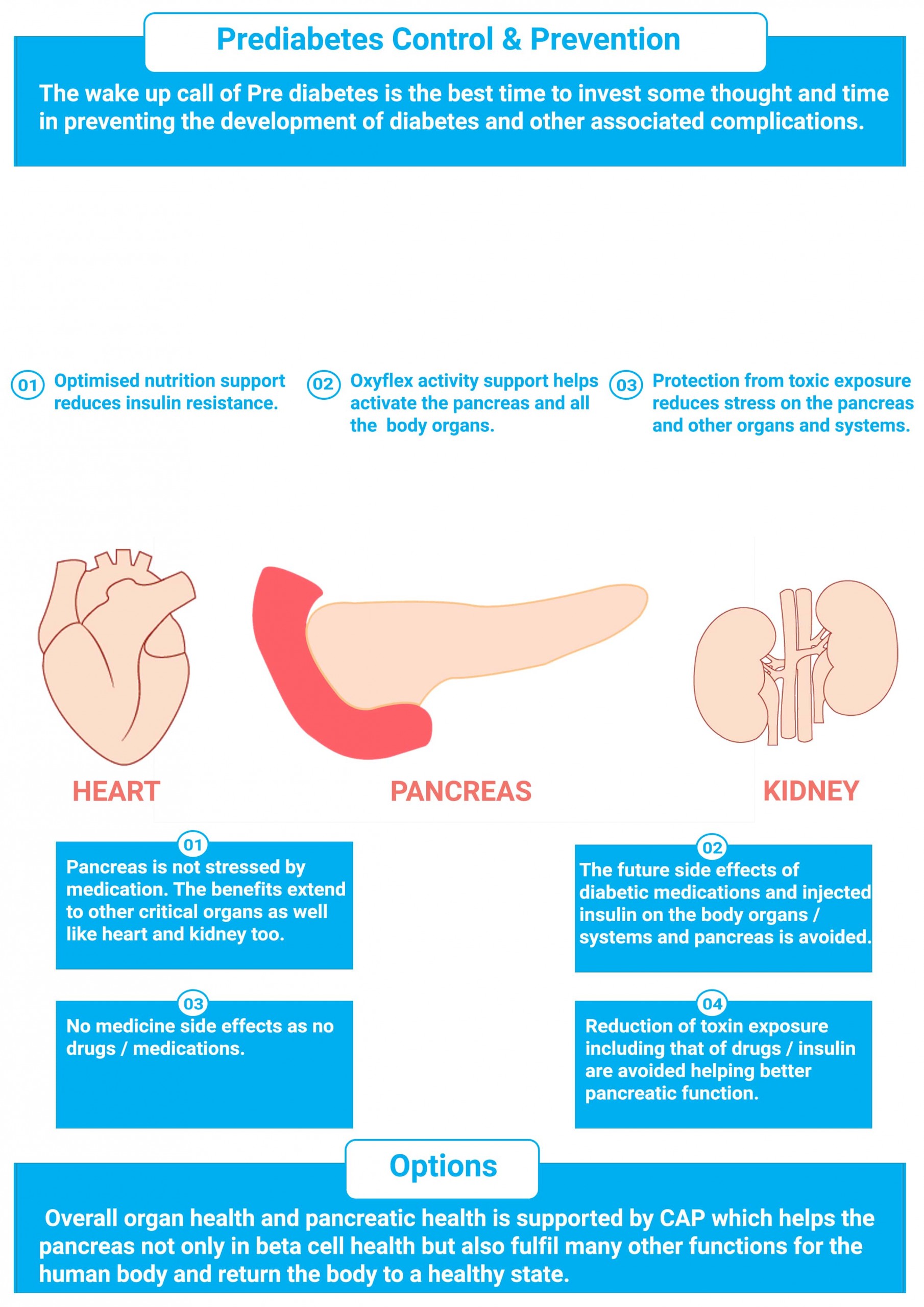
It means correcting the measurable biological load that sits underneath a psychiatric diagnosis — inflammation, insulin resistance, nutritional deficiency, disturbed sleep and disturbed body composition — so that the illness has less to work with, relapse becomes less frequent, function returns, and the quantity of medicine required to hold a person steady can, under a doctor’s guidance, often be reduced. In a proportion of younger patients seen early it means the medicine is never needed at all.
The brain is an organ, and it inflames like any other
When a joint swells and hurts we call it arthritis and nobody finds it mysterious. When the lining of the gut inflames we call it colitis. The brain and the nervous system are made of tissue like everything else, and they inflame like everything else — but because the brain’s output is thought, mood and behaviour rather than pain and swelling, the same process presents as something that looks entirely unlike a physical illness.
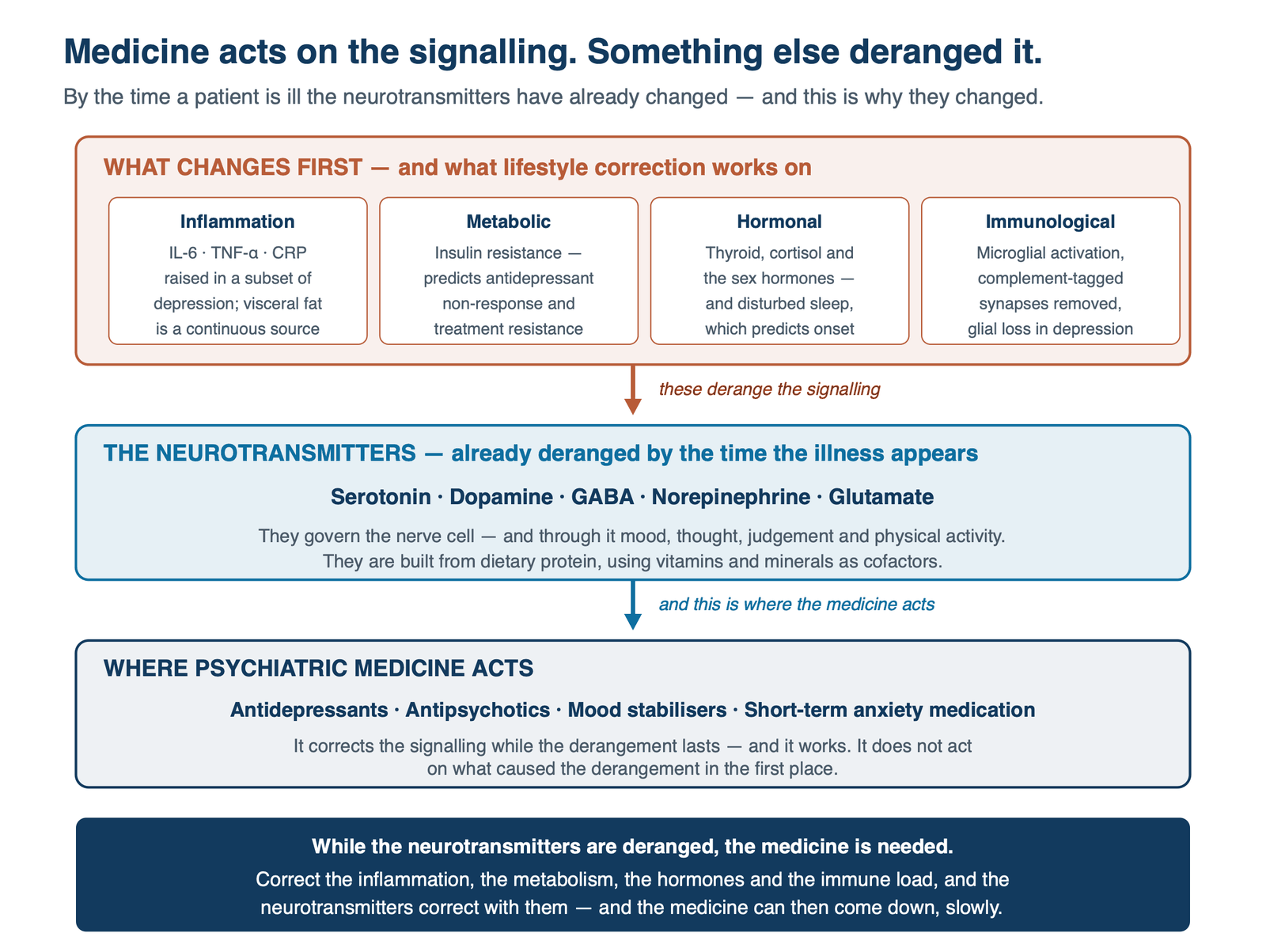
What is actually changing is chemistry. Signalling between neurons depends on a set of neurotransmitters — serotonin, dopamine, GABA, norepinephrine, glutamate among many others — and psychiatric medicines work almost entirely by adjusting them. What is less often discussed with patients is where those molecules come from. They are built from amino acids, which come from dietary protein, assembled by enzymes that require vitamins and minerals as cofactors. A shortage anywhere along that chain shows up as a shortage of the end product.
This is why a psychiatric workup properly begins by excluding the organic causes that imitate psychiatric illness — thyroid dysfunction, vitamin B12 and folate deficiency, substance-induced states. Those are standard. What is not yet standard, though the evidence is now substantial, is looking at the inflammatory and metabolic layer.
Three findings from that literature matter for what follows:
- Inflammation is measurably involved in a subset of depression. Elevated IL-6, TNF-α and CRP are found in a meaningful proportion of patients, and anti-inflammatory approaches show benefit specifically in treatment-resistant depression — the group that has failed conventional treatment.
- Insulin resistance predicts poorer psychiatric outcomes. An analysis of UK Biobank primary-care data found that insulin-resistance-related conditions — cardiovascular disease, hypertension, fatty liver, obesity, prediabetes and type 2 diabetes — were associated with antidepressant non-response, treatment resistance and longer treatment duration. Up to 30% of major depression is treatment-resistant, and metabolic dysfunction is one of the things that makes it so.
- Poor sleep predicts the onset of illness, not just its presence. Insomnia is a documented predictor of the later development of depression, anxiety and psychosis. It is a cause upstream, not only a symptom downstream.
Read together, those three describe a body that is inflamed, insulin-resistant and sleep-deprived — and a brain trying to work inside it. Correcting that is not psychiatry. It is ordinary clinical medicine, applied deliberately.
Why the brain can be corrected at all — the cells that do renew
There is a reasonable objection to everything above, and it deserves a direct answer. Nerve cells are not replaced. If the brain cannot rebuild itself the way the gut lining or the immune system can, on what basis can anything be corrected?
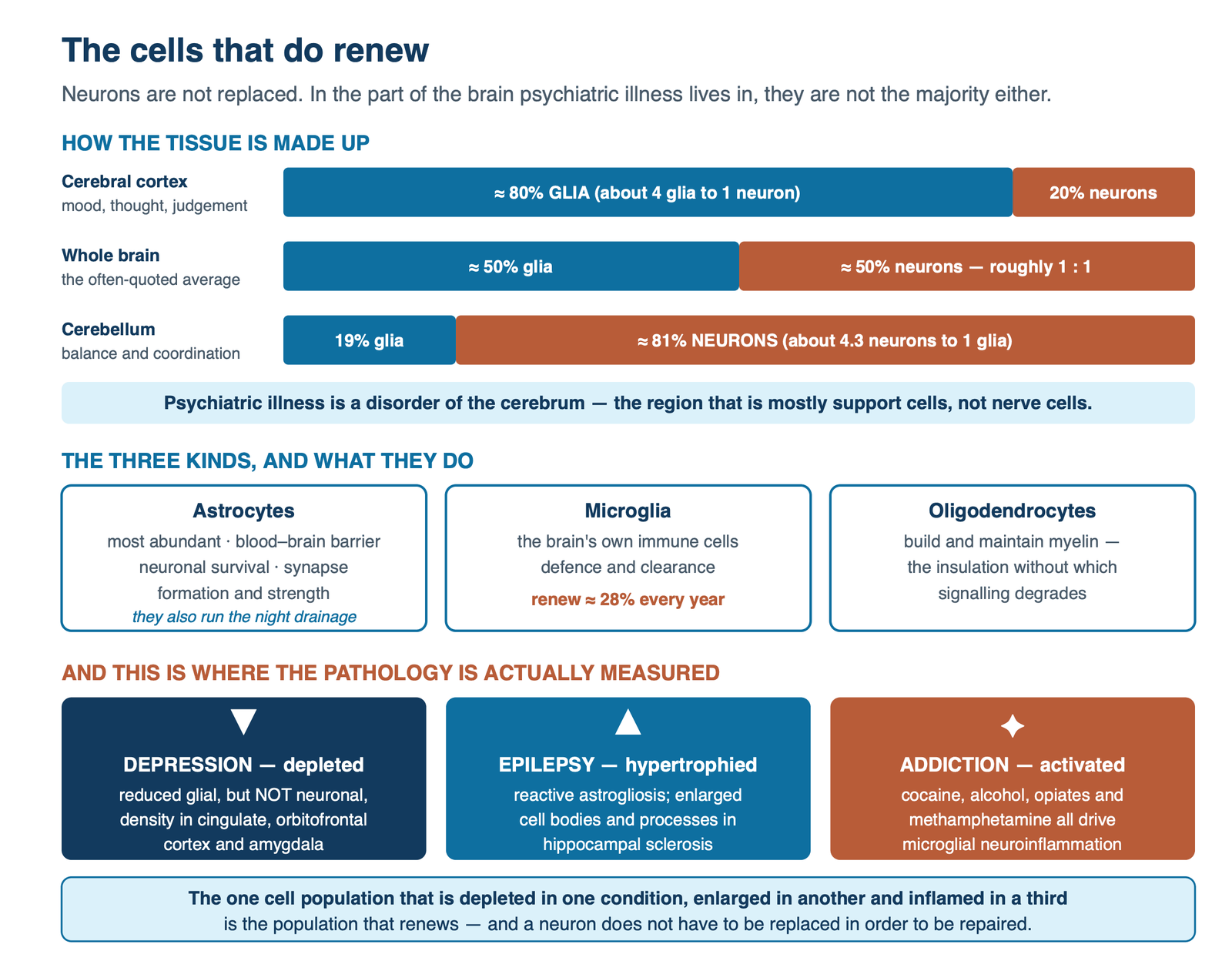
The answer is that neurons are not the only cells in the brain, and in the regions where psychiatric illness actually lives they are not even the majority.
The brain has its own immune and support system, made of glial cells. There are several kinds and they do different jobs. Astrocytes are the most abundant, and they maintain the blood–brain barrier, support neuronal survival, and govern the formation and strength of synapses. Microglia are the brain’s own innate immune cells — its resident defence and clearance system. Oligodendrocytes build and maintain myelin, the insulation without which signalling degrades.
Two facts about these cells change the picture entirely.
First, the proportions. Across the whole brain glia and neurons are present in roughly equal numbers, about one to one. But that average conceals a very large regional difference. In the cerebellum, neurons dominate overwhelmingly — roughly four neurons for every glial cell. In the cerebral cortex the ratio is reversed and then some: close to four glial cells for every neuron, which is to say the cortex is roughly four-fifths glia and one-fifth neurons. And the cerebrum is where mood, thought, judgement and behaviour are generated. The part of the brain that psychiatric illness is a disorder of is the part that is mostly support cells, not nerve cells.
Second, glia renew. Unlike neurons, they are replaced. Microglia turn over continuously throughout adult life at a median rate of about 28% per year, and the population is sustained by that steady renewal. It is slower than the immune cells and gut lining that renew in days to weeks — which is why mental health does not follow the ninety-day clock as tightly as other conditions — but it is renewal nonetheless, and it responds to the conditions it is given.
There is a third point that matters just as much. A neuron does not have to be replaced in order to be repaired. Its membranes are rebuilt continuously from the fatty acids available in the diet; its mitochondria and other organelles are maintained, replaced and cleared on their own cycles. The cell persists while its components turn over. Optimal nutrition does not create new neurons — it changes the material out of which the existing ones rebuild themselves every day.
And one part of the brain does make new nerve cells
Until very recently, “the adult brain makes no new neurons” was the safe thing to say. It is no longer accurate, and the correction arrived within the last two years.
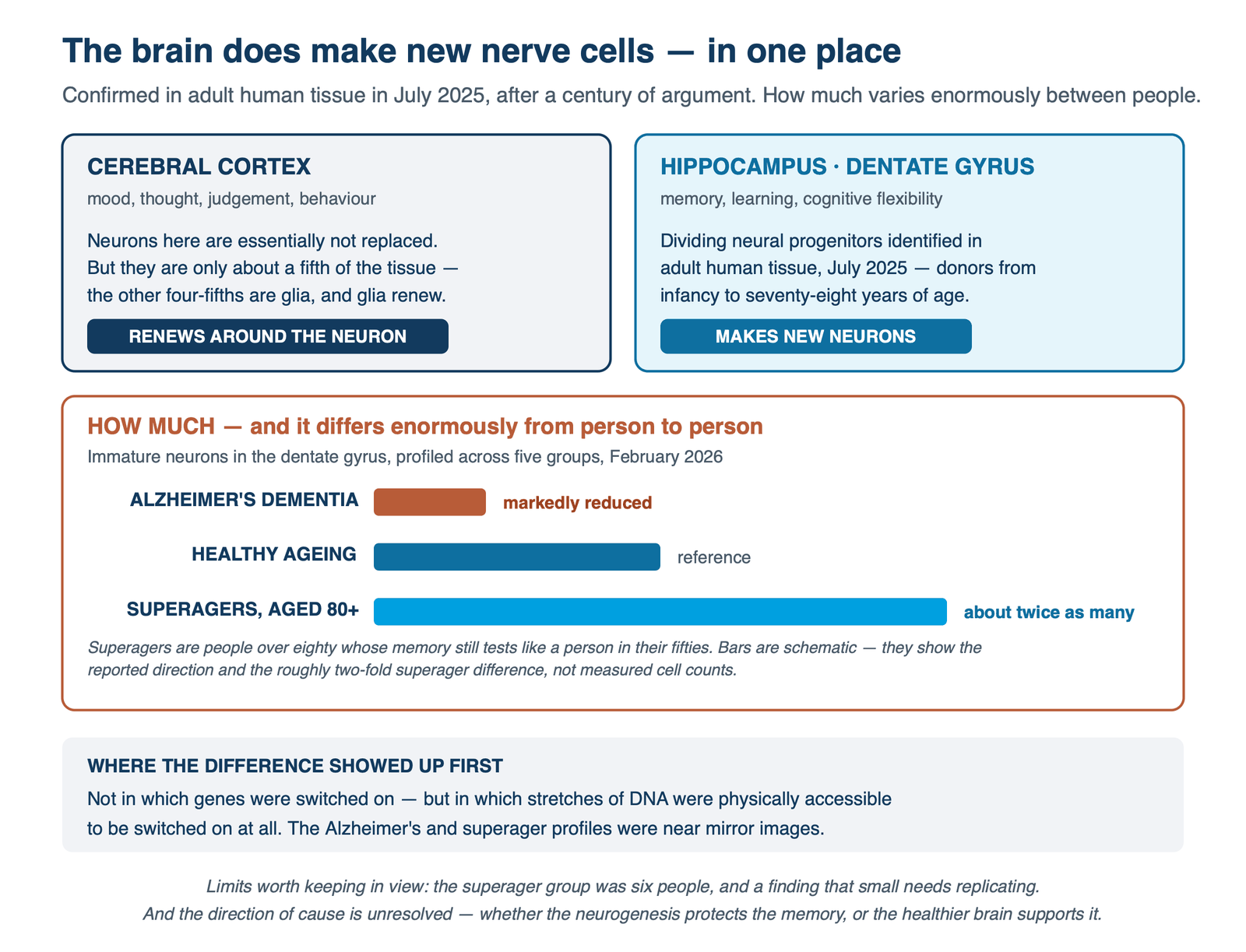
In July 2025 a group at the Karolinska Institutet reported that they had found the cells themselves — dividing neural progenitors — in the adult human hippocampus, in tissue from donors ranging from infancy to seventy-eight years of age. The new cells sit in the dentate gyrus, the part of the hippocampus that handles memory formation, learning and cognitive flexibility. On that evidence a century-old argument is settled: in that one region, the adult human brain does make neurons.
Two details from that work matter more to a patient than the headline itself. The first is that the variation between individuals was very large — some adults had many progenitor cells, others almost none. The second came in February 2026, when a second group profiled the same tissue in Alzheimer’s disease and in “superagers”, people over eighty whose memory still tests like a person in their fifties. In Alzheimer’s the immature neurons were markedly reduced. In the superagers there were roughly twice as many as in anyone else, young or old. And the earliest difference between those groups was not in which genes were switched on, but in which stretches of DNA were physically accessible to be switched on at all — a difference in the layer of biology that sits between inheritance and circumstance.
Two limits, stated plainly. The superager group was six people, and a finding that small needs replicating before anyone builds treatment on it. And nobody has yet shown which way the arrow points: whether stronger neurogenesis protects the memory, or whether a healthier brain simply supports more of it.
But the direction is not in doubt, and it changes what can honestly be said here. The renewable fraction of the brain is larger than the textbook allowed, it differs enormously from one person to the next, and the layer where that difference first shows itself is the layer that, in every other tissue studied, responds to how a person eats, moves and sleeps.
So the honest statement of the mechanism is this. Most lost neurons do not come back — but one region makes new ones, almost everything around a neuron is renewed, and almost everything inside it is rebuilt. In the cerebrum that renewable fraction is the larger part of the tissue. That is the same principle already set out in this series for the joint, the liver and the kidney: correct the cells that can be corrected, and the structure they support works better.
This is also why the same correction matters in nerve disease outside the brain. In diabetic neuropathy, in peripheral nerve injury, and in the persistent fatigue that accompanies both, the supporting cells of the nerve are doing the same work and are subject to the same nutritional and inflammatory limits.
The glia are not bystanders — they are where the pathology is measured
If glial cells were merely scaffolding, none of this would matter much. The post-mortem and imaging literature says the opposite: in psychiatric and neurological illness it is very often the glia, not the neurons, that are visibly abnormal, and the direction of the abnormality differs by condition.
- In depression, glia are depleted. The first post-mortem studies found reduced glial — but not neuronal — density in the ventral anterior cingulate cortex, the orbitofrontal cortex and the amygdala. That has since been traced largely to a loss of astrocytes: fewer GFAP-positive astrocytes, lower GFAP messenger RNA and protein, and reduced astrocyte density across many regions in depressed suicides. Oligodendrocyte density and structure are reduced in the prefrontal cortex and amygdala as well. These are limbic and prefrontal regions — mood and judgement.
- In epilepsy, glia are hypertrophied. Reactive astrogliosis, with enlarged cell bodies and processes and heavy GFAP expression, is a defining feature of hippocampal sclerosis in temporal lobe epilepsy, alongside microglial activation. The glial response is part of the disease process, not merely a scar left by it.
- In addiction, glia are activated. Substance use disorders are now understood in part as neuroinflammatory conditions: cocaine, methamphetamine, alcohol and opiates all alter microglial activation, and repeated exposure drives progressive neuroinflammation through microglial inflammatory signalling.
The pattern is not one disease and one lesion. It is that the cell population which is depleted in one condition, enlarged in another and inflamed in a third is in every case the population that renews — and that responds to nutrition, to inflammatory load and to sleep.
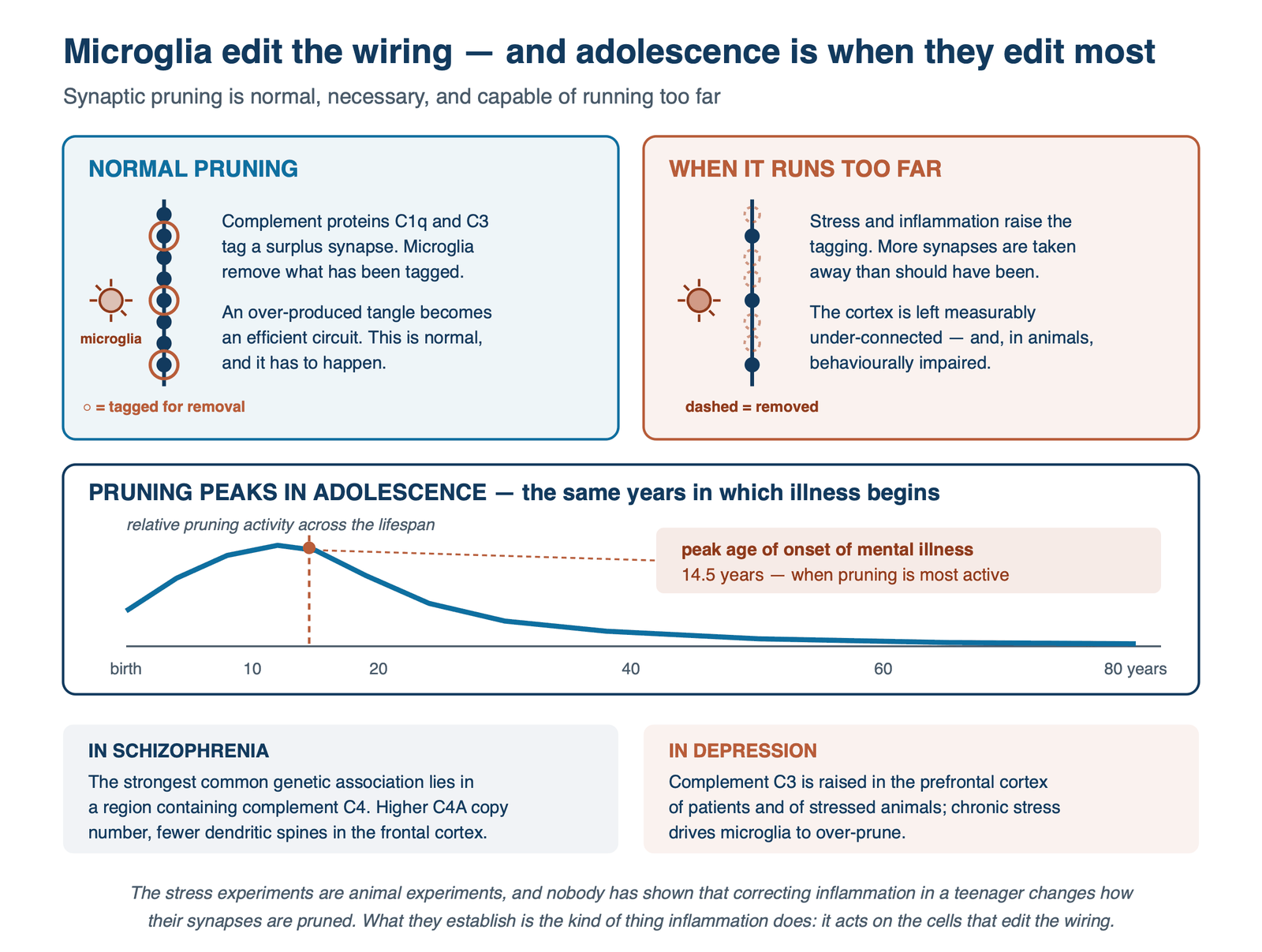
What microglia actually do to a synapse
One microglial function deserves separate treatment, because it explains how an inflammatory state becomes a lost connection rather than merely a bad feeling.
Microglia do not only clear debris. They eat synapses — selectively, guided by tags. The tagging system is borrowed from the immune system: complement proteins, principally C1q and C3, mark a synapse as surplus, and the microglia remove what has been marked. This is normal and necessary. It is how a developing brain refines an over-produced tangle of connections into an efficient circuit, and it is called synaptic pruning.
Two facts about pruning belong in an article about adolescent mental illness.
Pruning peaks in adolescence. The years in which the brain most actively cuts back its own connections are the same years in which psychiatric illness most often begins. Nobody has fully explained that overlap, but it is a large part of why the window matters.
The process can run too far. In schizophrenia, the strongest common genetic association yet found lies in a region of the genome containing the complement gene C4, and a higher C4A copy number is associated with lower dendritic spine density in the prefrontal cortex — that is, with more synapses removed. In depression, complement C3 is raised in the prefrontal cortex of patients and of stressed animals; and in animal experiments, chronic social stress drives microglia to over-prune, leaving the cortex measurably under-connected and the animal behaviourally impaired.
The step to take from this is a modest one and should be stated modestly. The stress experiments are animal experiments, and nobody has shown that correcting inflammation in a fifteen-year-old changes how their synapses are pruned. What the work does establish is the kind of thing inflammation does inside the brain. It does not merely make a person feel unwell. It acts through a cell population that physically edits the wiring — during precisely the years when that editing is most active.
The brain’s drainage system, and why it runs at night
There is one more glial function that belongs here, because it links the whole argument to sleep.
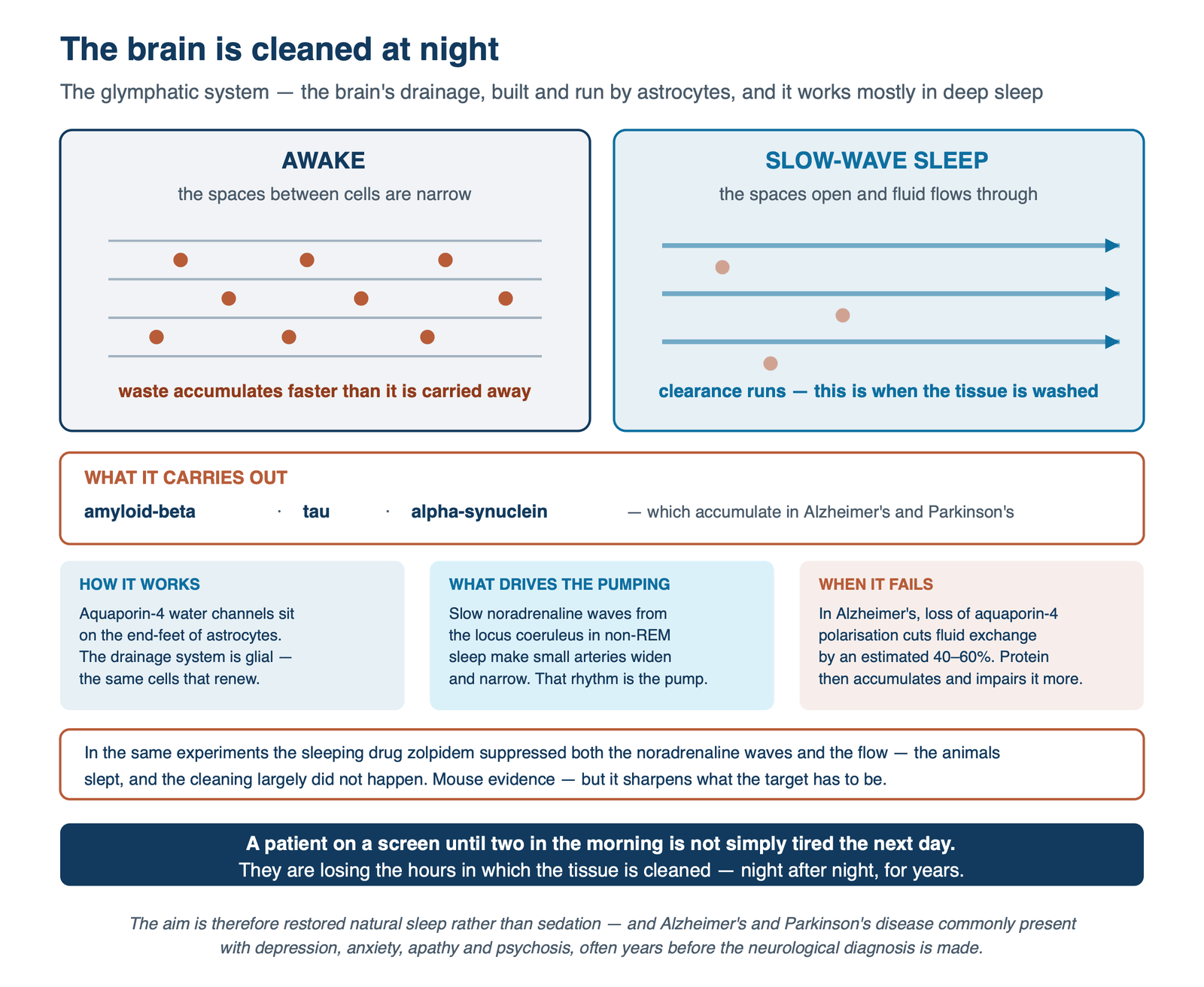
The brain has no conventional lymphatic vessels. What it has instead is the glymphatic system — a brain-wide clearance pathway that flushes fluid through the tissue and carries waste out. It runs on aquaporin-4 water channels sitting on the end-feet of astrocytes, which is to say it is a glial system, built and maintained by exactly the cells described above.
What it clears matters: soluble amyloid-beta, tau and alpha-synuclein — the proteins that accumulate in Alzheimer’s and Parkinson’s disease — along with other metabolic waste. And it runs predominantly during slow-wave sleep. The brain is cleaned at night, and largely only at night.
When it fails, the consequences are measurable. In Alzheimer’s disease, loss of aquaporin-4 polarisation at the astrocyte end-feet reduces the efficiency of fluid exchange by an estimated 40–60%, and impaired clearance of amyloid and tau follows. In Parkinson’s disease, disturbed sleep is one of the proposed mechanisms behind the same failure. Worse, it compounds: accumulated protein further impairs clearance, which accumulates more protein.
How the pumping actually works became clearer in January 2025. The driver turns out to be noradrenaline, released in slow waves from the locus coeruleus during non-REM sleep. Those waves make the small arteries widen and narrow rhythmically — slow vasomotion — and it is that rhythm which pumps cerebrospinal fluid through the tissue. In the same experiments the sleeping drug zolpidem suppressed both the noradrenaline oscillations and the glymphatic flow: the animals slept, and the cleaning largely did not happen.
That was a mouse study, and it is not a reason for anybody to change a prescription — nothing here is. But it sharpens what “sleep correction” has to mean. The target is not eight hours of unconsciousness. It is natural, structured non-REM sleep, because the clearance appears to depend on the rhythm inside the sleep, not on the sleep alone.
This matters in an article about psychiatric illness for two reasons. The first is that neurodegenerative diseases present with psychiatric symptoms — depression, anxiety, apathy and psychosis are common in both Alzheimer’s and Parkinson’s, and often appear years before the diagnosis is made. The second is more immediate: it converts “get your sleep right” from general advice into a specific mechanism. Sleep is when the brain’s waste clearance actually runs. A patient who is on a screen until two in the morning is not simply tired the next day; they are losing the hours in which the tissue is cleaned, night after night, for years.
The molecular layer — what can actually be corrected
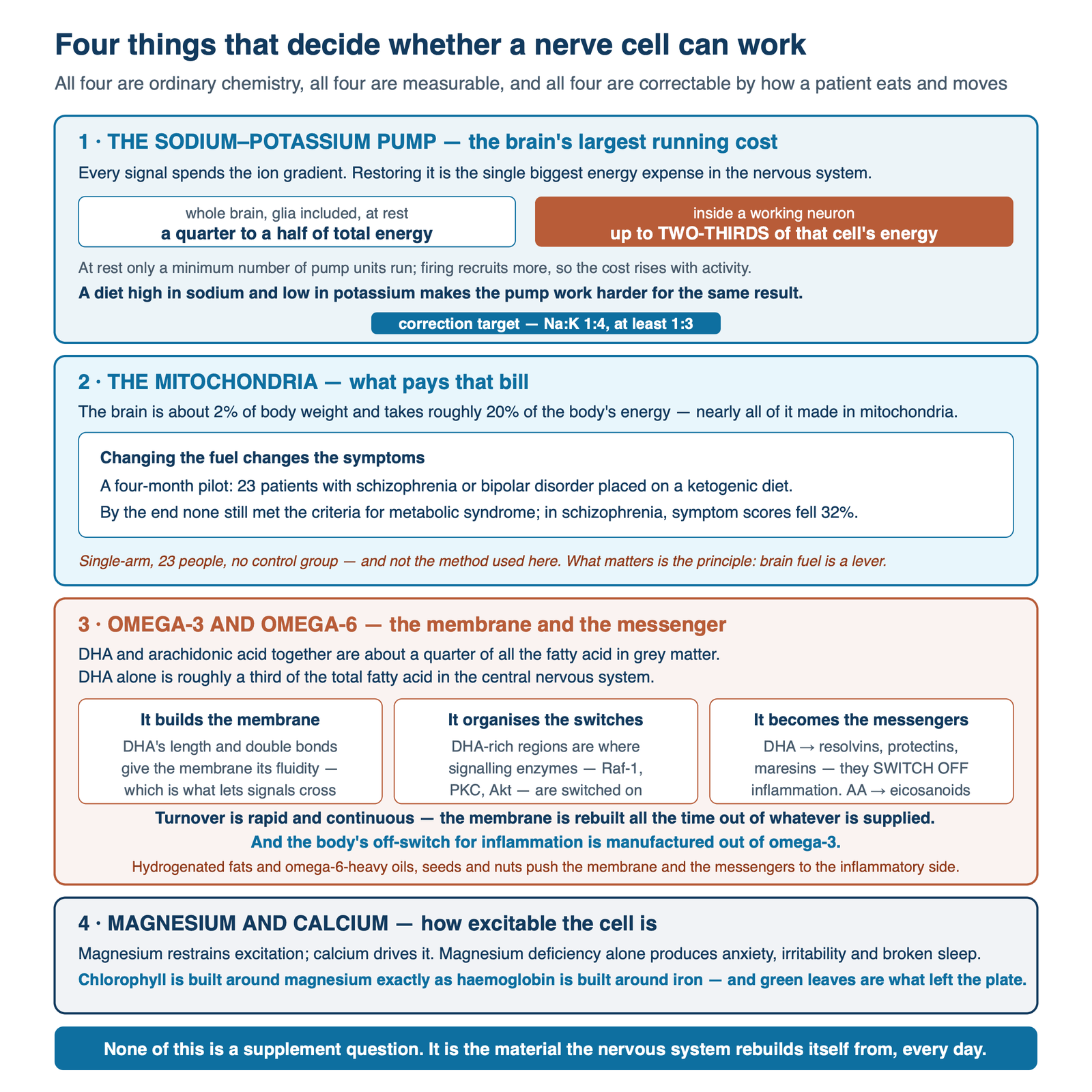
Underneath the cells is a layer of ordinary chemistry that decides whether they can do their work. Six parts of it are directly correctable by what a patient eats, how they move and how they sleep — the energy pump and the fuel that runs it, the fats the membranes are built from, the minerals that set excitability, the amino acid that mood chemistry is made of, and the gut that supplies the rest.
The sodium–potassium pump
Every nerve signal is an ion movement. Sodium enters the cell, potassium leaves, and the electrical gradient that made the signal possible is spent. Restoring it is the job of the sodium–potassium pump, and it is the single largest energy cost in the nervous system.
The figures quoted for it differ because they measure different things, and the distinction is worth making. Across the whole brain — glia included, at rest — the pump accounts for something between a quarter and a half of total energy use. But within a neuron doing its actual work, it consumes up to two-thirds of that cell’s entire energy expenditure, and the demand rises with activity: at rest only a minimum number of pump units are running, and firing recruits more. So the honest statement is that in a working nerve cell, roughly two-thirds of everything it spends goes on restoring the gradient it just used.
That is a very large standing bill, and what it costs depends on the ratio it has to work against. A diet high in sodium and low in potassium makes the gradient harder to hold and the pump work harder for the same result. The modern diet does exactly that — processed food adds sodium while cooking, frying and grilling strip potassium out — and the consequence is a nervous system running its most expensive process at a disadvantage all day.
Correcting the sodium-to-potassium ratio is therefore not a blood-pressure measure that happens to sit in a mental-health article. It is one of the most direct interventions available on brain energetics. In this centre the correction targets a ratio of about 1:4, and at least 1:3 — which in practice means reducing sodium substantially while deliberately raising potassium through vegetables, fruit, whole grains and pulses.
The mitochondria — what pays that bill
If the pump is the brain’s largest standing expense, the mitochondria are what pay it. The brain is about 2% of body weight and takes roughly 20% of the body’s energy, almost all of it generated inside mitochondria, and much of it spent maintaining and restoring the gradients described above.
This is why psychiatry has begun to treat brain energy supply as a mechanism in its own right rather than as background housekeeping. Mitochondrial abnormalities are now described across schizophrenia, bipolar disorder and major depression, and the field has acquired a name: metabolic psychiatry.
The most striking clinical evidence so far comes from studies that changed the brain’s fuel outright. In a four-month pilot at Stanford, twenty-three patients with schizophrenia or bipolar disorder — all with existing metabolic abnormality, all continuing their psychiatric medication — were placed on a ketogenic diet, which shifts the brain from running mainly on glucose to running substantially on ketone bodies. By the end, not one participant still met the criteria for metabolic syndrome. Among those who adhered, weight fell 12%, waist circumference 13% and visceral fat 36%. On the psychiatric side, patients with schizophrenia showed a 32% fall in symptom scores, overall clinical severity improved by 31%, and 79% of those who began with raised symptoms improved by at least one point on the global rating.
Those numbers need their limits stated, because they are easy to misuse. It was twenty-three people with no control group. The patients also lost weight, slept better and were closely supported throughout, and any of those could account for part of the result.
It is also what CSLC-CAP does. CSLC-CAP is a ketogenic programme: it aims to move the body onto burning its own excess and ectopic fat to meet its energy needs. In practice the nutrition here is low in sugar, low in starch and low in saturated fat, while supplying every essential and non-essential nutrient in optimal quantity and proportion — dietary fibre included, and the omega-3, omega-6 and omega-9 fats in the right amounts and the right ratio to one another.
It is worth remembering where this diet came from. The ketogenic diet was developed to control epileptic seizures that would not respond to medicines. It was a neurological treatment long before it was a weight-loss method, so its appearance in an article about brain chemistry is a return to what it was built for rather than a borrowing from fashion.
The ordinary ketogenic diet has real drawbacks. It tends to be heavy in saturated fat, short of fibre, and indifferent to which fats it supplies. The CSLC-CAP diet is ketogenic, and it is designed to overcome those drawbacks — which is what the description above is doing.
The reason the trial belongs in this article, though, is narrower and more useful than any diet recommendation: it is direct clinical evidence that changing what the brain runs on changes psychiatric symptoms. That is the principle. Correcting insulin resistance, restoring the mineral ratios the pump has to work against, and rebuilding mitochondrial capacity through graded daily movement are the routes used here to act on the same principle.
That last route has a mechanism worth naming. Working muscle releases lactate, which crosses into the brain and is used by neurons as fuel; in animal work it also drives mitochondrial biogenesis and BDNF production in the hippocampus. Exercise is not only spending energy. It is signalling the brain to build more capacity to make it.
Omega-3 and omega-6 — the membrane and the messenger
The brain is built largely of fat, and two families of fatty acid dominate its membranes: the omega-3s, principally DHA with EPA, and the omega-6 arachidonic acid (AA). Together DHA and AA make up roughly a quarter of all the fatty acid in grey matter, and DHA alone, esterified into the membrane phospholipids, accounts for about a third of the total fatty acid in the central nervous system.
These are not inert building material. They do three distinct jobs.
They set the physical properties of the membrane. DHA’s length and its many double bonds give the neuronal membrane its flexibility and fluidity, and that fluidity is what allows signal transduction to happen across it at all. A membrane built from stiffer fat transmits less well.
They organise the signalling machinery. DHA-rich regions of the membrane are where signalling enzymes — Raf-1, protein kinase C, Akt — are recruited and switched on. The composition of the membrane determines where and whether those switches can be thrown.
They are converted into messengers. DHA is metabolised in nerve tissue into a family of protective mediators including neuroprotectin D1, the elovanoids and synaptamide, which promote neurogenesis and synapse formation and resolve inflammation. Arachidonic acid is converted into the eicosanoids, which drive it. Both arms are necessary — this is the same defence-and-repair balance described elsewhere in this series — but the ratio between them decides which one dominates.
There is a further point about that third job, and it changes how inflammation should be pictured. Inflammation does not simply fade out when the threat has passed. It has to be actively switched off, by a dedicated family of molecules — the resolvins, protectins and maresins, known collectively as specialised pro-resolving mediators. They are built from EPA and DHA. When they are in short supply the resolution phase fails, and acute inflammation becomes the chronic, low-grade kind this whole article is about. In depression specifically, patients who responded to EPA supplementation had higher blood levels of these pro-resolving mediators than those who did not.
Put plainly: the body’s off-switch for inflammation is manufactured out of omega-3. A diet that does not supply the material leaves the switch under-built.
The turnover of both is rapid and continuous, which is the important clinical point: the membrane is being rebuilt all the time out of whatever is supplied. The modern diet supplies the wrong proportion — hydrogenated fats, and cooking oils, seeds and nuts heavy in omega-6 — so the membrane and the messengers built from it drift towards the inflammatory side. Correcting the omega-3 to omega-6 balance is therefore not a supplement question. It is a change in the material from which the nervous system continuously rebuilds its own signalling apparatus, and it acts on the pump, on neurotransmitter release, and on inflammation at the same time.
Magnesium and calcium
The balance between these two governs how excitable a nerve cell is. Magnesium restrains excitation; calcium drives it. A magnesium deficiency alone is enough to produce anxiety, irritability and disturbed sleep, and magnesium is one of the commonest deficiencies found on testing here — largely because it comes from green leaves, which is precisely what has disappeared from the everyday plate. Chlorophyll is built around magnesium in the same way that haemoglobin is built around iron.
The tryptophan fork — how inflammation takes serotonin away, and how muscle takes it back
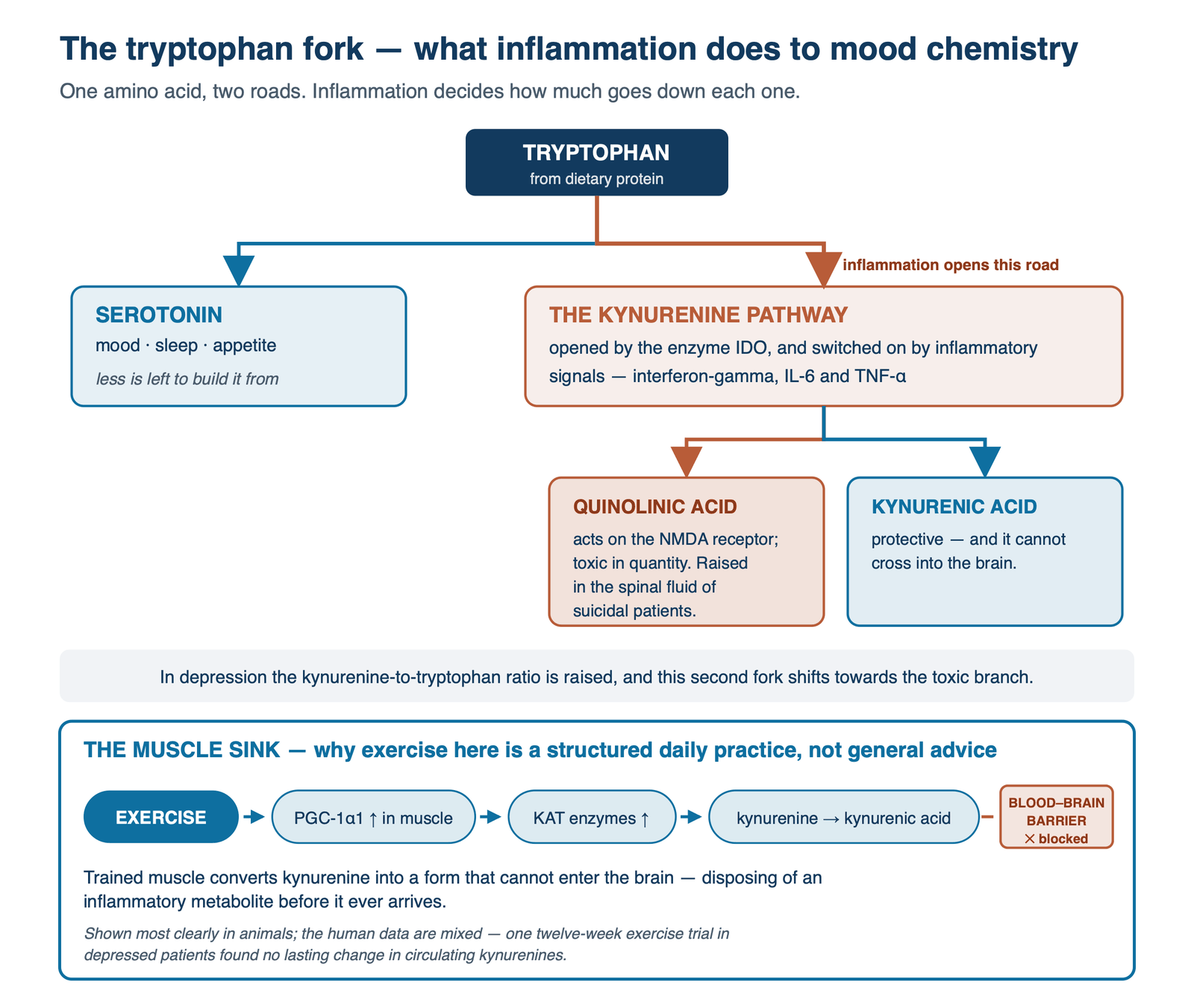
Earlier this article made a simple point: neurotransmitters are built from amino acids, which come from food. There is a second half to that point, and it is where inflammation does its most direct damage to mood.
Serotonin is made from the amino acid tryptophan. But tryptophan stands at a fork. It can go down the serotonin road, or it can be pulled down a second road, the kynurenine pathway — and what decides the split is inflammation. Inflammatory signals, interferon-gamma, IL-6 and TNF-α among them, switch on the enzyme that opens the kynurenine road. The more inflamed the body, the more tryptophan is diverted, and the less is left to build serotonin from.
The diversion does two things at once, and the second is worse than the first. Further along, the kynurenine road itself forks — into quinolinic acid, which acts on the NMDA receptor and is toxic to neurons in quantity, and kynurenic acid, which is protective. Depressed patients show a raised kynurenine-to-tryptophan ratio and a shift of that second fork towards the toxic branch; in the spinal fluid of suicidal patients, quinolinic acid is raised. So an inflamed body does not merely make less of the calming chemistry. It makes more of the damaging kind.
Then comes the part that matters clinically, and it is one of the cleanest arguments for structured exercise anywhere in medicine. Trained skeletal muscle disposes of kynurenine before it ever reaches the brain. Exercise raises PGC-1α1 in muscle, which raises the enzymes that convert kynurenine into kynurenic acid — and kynurenic acid cannot cross the blood–brain barrier. The trained muscle acts as a sink. In animal work, muscle with this pathway switched on protected against stress-induced depression; without it, the same stress produced the illness.
The limit, stated as it should be: this is demonstrated most clearly in animals, and the human data are mixed — one twelve-week exercise trial in depressed patients found no lasting change in circulating kynurenines. What the mechanism explains is not a guaranteed result but a design decision. It is a reason why exercise is prescribed here as a structured, taught, daily practice rather than as general encouragement to be more active — and a reason why muscle, inside a mental-health programme, is treated as an organ that does chemistry rather than as decoration.
The gut, and why fibre appears in a mental-health protocol
The last correctable layer is the one furthest from the brain. Bacteria in the large intestine ferment dietary fibre into short-chain fatty acids — principally butyrate, propionate and acetate. These are not local products. They act directly on the vagus nerve, they enter the circulation, and — the finding that matters most here — they are required for the maturation of microglia. In germ-free animals microglia stay immature and malformed; supplying the short-chain fatty acids restores them.
That is the mechanism connecting a plate of vegetables to the cell population this article has spent several sections on. Depressed and anxious patients show altered gut bacteria and altered short-chain fatty acid profiles, and trials of fibre and of specific fermenting organisms alongside standard treatment are now under way, with early results that are encouraging but mostly small and open-label.
For the purposes of this article it is enough to say why fibre is in the protocol at all. It is not there for the bowel alone.
Inherited does not mean fixed — the layer lifestyle actually acts on
There is a sentence said to families almost every week, and it deserves a more accurate answer than it usually gets: it runs in our family, so there is nothing to be done.
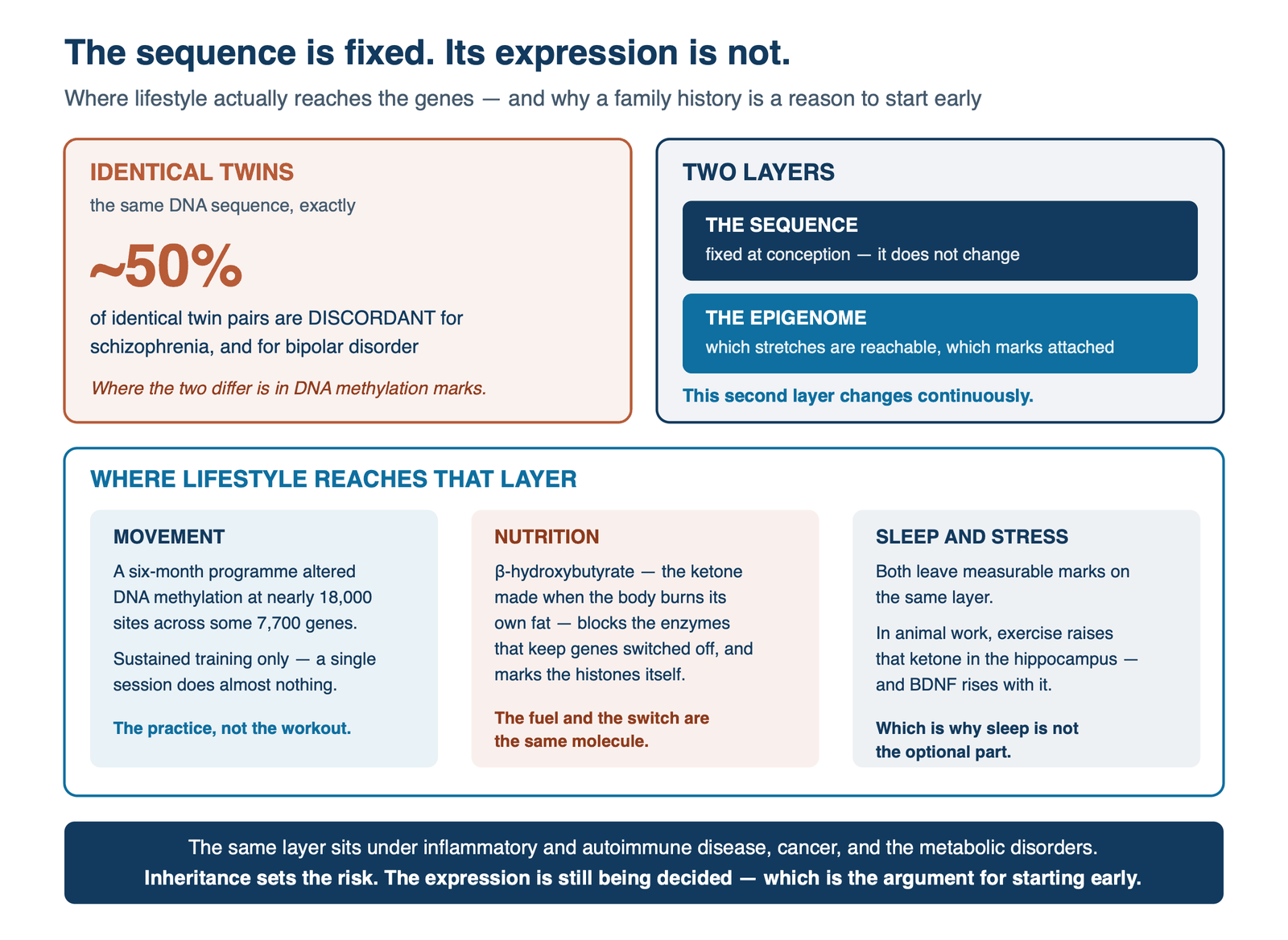
The DNA sequence a person is born with does not change. That is true, and nothing here claims otherwise. But the sequence is not what decides whether a gene gets used. Between the code and the illness sits a second layer — how tightly the DNA is packed, which stretches of it are physically reachable, and which chemical marks are attached to it. That layer is the epigenome, and unlike the sequence it changes continuously in response to what a person eats, how they move, how they sleep, and what they are exposed to.
The cleanest evidence comes from identical twins, who share a DNA sequence exactly. If the sequence decided the outcome, one twin developing schizophrenia would mean the other always did too. In practice roughly half of identical twin pairs are discordant — one has the illness and one does not. And when such pairs have been compared directly, researchers found differences in DNA methylation between the well twin and the ill twin, at sites relevant to the disorder. Same genes, different marks, different outcome.
This is also, quietly, what the superager finding described earlier was showing. The earliest difference between the resilient brains and the Alzheimer’s brains was not in which genes were switched on. It was in which stretches of DNA were physically accessible to be switched on at all.
Where lifestyle gets its hands on that layer
- Movement. A six-month exercise programme altered DNA methylation at nearly 18,000 sites across some 7,700 genes in human tissue. A 2025 systematic review of human trials found that sustained training remodels methylation in genes governing metabolism, inflammation and immune function — while a single session does almost nothing. The effect belongs to the practice, not to the workout.
- Nutrition. Dietary patterns of the kind used here have been shown to slow measured epigenetic ageing. And there is a more direct link, which ties this section to the diet described above: the ketone body the body makes when it burns its own fat — β-hydroxybutyrate — is itself an epigenetic agent. It blocks a family of enzymes whose job is to keep genes switched off, and it supplies a chemical mark of its own that attaches directly to the histones the DNA is wound around. In animal work, exercise raises this ketone in the hippocampus, and it is that rise which lifts BDNF, the growth factor for neurons, by loosening the genes that make it. The fuel and the switch turn out to be the same molecule.
- Sleep and stress. Both leave measurable marks on the same layer — one more reason the sleep correction is not the optional part of the protocol.
And this is not only a psychiatric point
The same layer sits underneath most of the conditions covered in this series — the inflammatory and autoimmune diseases, cancer, and the metabolic disorders. In every one of them the inherited component is real, and in every one of them the expression of that inheritance is influenced by the same daily inputs.
So the honest statement is not that inheritance can be removed. It is this: the sequence is fixed; its expression is not. And that changes the practical advice completely. A family history is not a reason to wait and see whether the illness arrives. It is the strongest reason to begin early, while the expression is still being decided.
Where it usually begins — and why fifteen is the age that matters
In this centre’s experience the commonest presentation is a teenager, and the trouble usually starts at around fifteen. Stress, anxiety, low mood, exam fear, a refusal or inability to go to school. It arrives in the same years as the tenth-standard and plus-two examinations, which is precisely when a family is least able to absorb it.
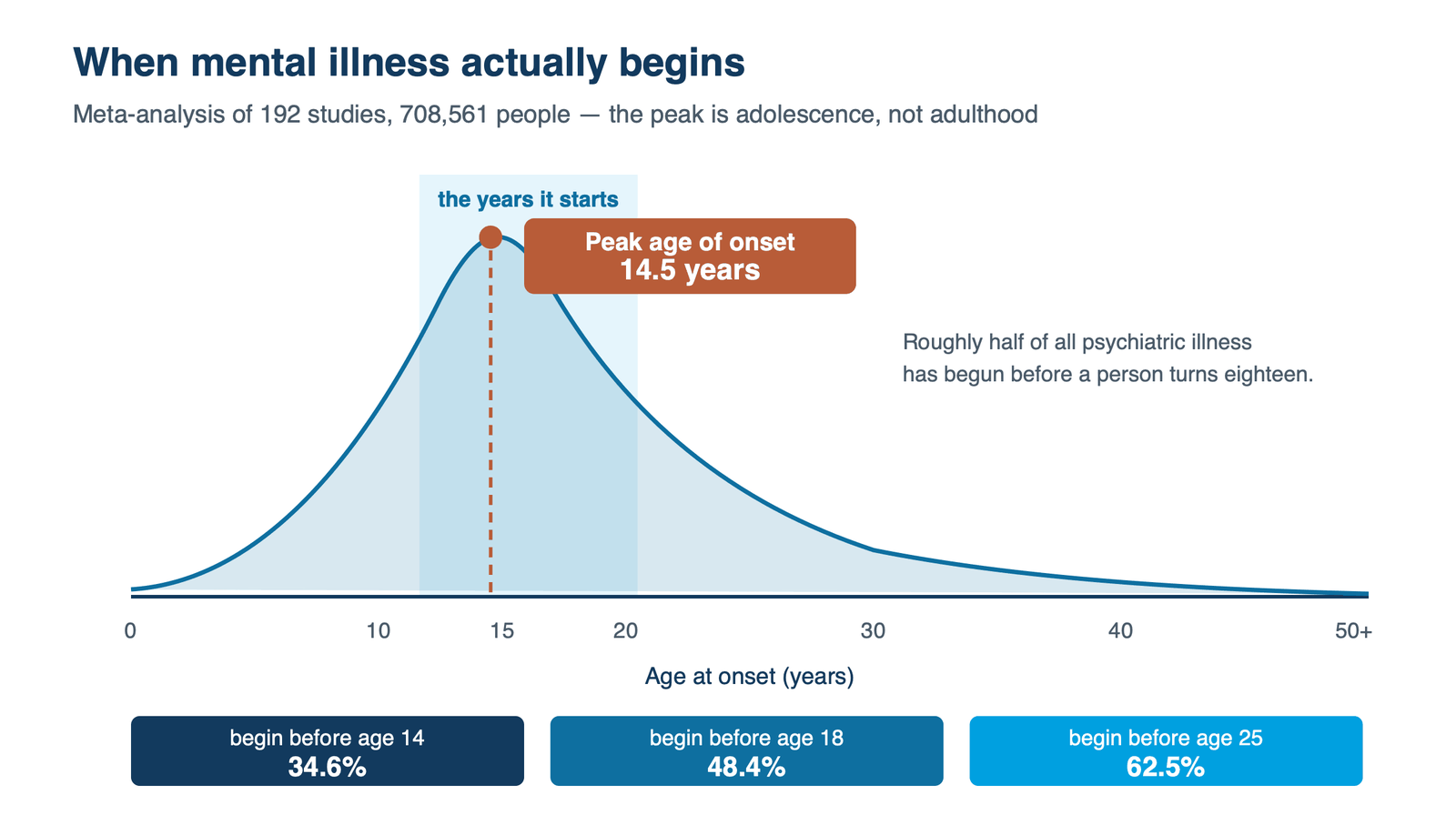
That observation is not idiosyncratic. The largest study of its kind — a meta-analysis of 192 epidemiological studies covering 708,561 people — put the peak age of onset of mental disorders at 14.5 years, with 34.6% of all cases beginning before fourteen and 48.4% before eighteen. Eating disorders peak at 15.5 years, stress-related conditions at 15.5, obsessive-compulsive disorders at 14.5. Roughly half of all psychiatric illness begins in childhood or adolescence.
This is the group where correction does most, and it is worth being precise about why. A fifteen-year-old has a short history, usually no established medication regime, a nervous system still developing, and parents who can restructure the household. The biology is not yet entrenched. In this practice, where the protocol is followed and — this is the decisive condition — screen and social-media time is genuinely limited, most such children do not go on to need medication, and those already started are frequently able to taper off it under their doctor’s guidance.
The supporting evidence for the components is solid. Exercise alone produces a moderate effect on adolescent depression — a standardised mean difference of −0.64 across controlled trials, with aerobic activity the most effective modality and benefit appearing at three to four sessions a week. That is a real effect size for a single intervention in a young population. It is also, notably, an effect size that many families never attempt to obtain.
Screen time is not a side issue — it is the variable that decides the result
Of everything in this article, this is the part that most determines whether the rest of it works, and it applies to adults exactly as much as to children.
In this centre’s experience, the single best predictor of whether a patient improves is whether they can follow the protocol and restrict their social-media and screen time. Not the diagnosis. Not the number of years they have been ill. Not even, within limits, the number of medicines they are on. Patients who do both improve. Patients who do the nutrition and the movement but keep the phone until two in the morning improve much less, and the sleep correction — which is the lever with the strongest upstream evidence behind it — never actually happens.
It is worth being honest about the state of the science here, because the popular claims run well ahead of it. The associations between heavy social-media use and adolescent depression and anxiety are consistent across studies from 2007 to 2025, and although the average effect sizes are modest, the population-level impact is considered meaningful because exposure is near-universal during a developmentally sensitive period. But the data are overwhelmingly observational. Causation has not been established, and anyone who tells you it has is going beyond the evidence.
What can be said without overstating anything is this. Screen use late at night displaces sleep, and disturbed sleep is an established upstream predictor of psychiatric illness. It displaces physical activity, which has a demonstrated moderate effect on adolescent depression. It displaces the social contact and the daylight that a developing nervous system is built around. Whether or not the content itself causes harm, the displacement is doing measurable damage through mechanisms that are not in dispute.
In practice this is also the hardest part of the protocol for a family to deliver, and the one most often quietly abandoned. It should be discussed openly at the start, with the parents as much as the child, because a programme that is not going to be followed in this respect will not produce the results described above.
Body composition, and what it does to mood
The second group where correction does a great deal is young adults — commonly, though not only, young women — who arrive with a mental-health complaint and a body composition problem in the same person. They may be overweight or underweight; both matter, and both respond.
The scale is the wrong instrument for this, which is why this centre measures fat mass and lean mass along with weight. Two people at the same weight can have entirely different bodies, and it is the proportion, not the total, that is doing the biological work. Body composition here is tracked by monthly bioelectrical impedance — a clinical instrument rather than a research one: low cost, no radiation, done in the room, repeated often enough to show the direction of change, which is what management actually turns on.
The reason this matters for mood is that fat tissue is not inert storage. It is metabolically active tissue that secretes inflammatory signalling molecules — TNF-α, IL-6, IL-1β and CRP among them — along with its own adipokines. Visceral fat in particular behaves like a low-grade, continuous inflammatory source. And the relationship with mood runs in both directions: a meta-analysis of fifteen longitudinal studies found that obesity, especially abdominal obesity, raises the risk of later depression, and depression raises the likelihood of later obesity. In children and adolescents specifically, a twenty-two-study meta-analysis found depression associated with raised inflammatory markers, with the same bidirectional pattern over time.
So a young person with excess visceral fat and low mood is not a person with two unrelated problems. There is a shared mechanism, and correcting the composition addresses part of the mood problem through it. In this practice, substantial improvement in stress, anxiety and depressive symptoms is a routine accompaniment of body-composition correction in this group — not an incidental benefit but a reliable one.
PCOD, periods and mood — one correction, three results
The clearest example of that principle is polycystic ovarian disease, and it deserves its own section because it is so commonly managed as three separate complaints by three different people.
A young woman with PCOD typically presents with irregular periods, weight that will not shift, and — very often — anxiety or low mood that is treated, if it is treated at all, as a separate psychiatric matter. The literature is unambiguous that it is not separate. Women with PCOS have roughly 3.8 times the odds of depressive symptoms and 5.6 times the odds of anxiety symptoms compared with controls, with some series reporting up to eight times the prevalence of depression.
The mechanism is largely shared. Insulin resistance is present in up to 70% of women with PCOS, and it is independently and strongly associated with depression in this group — not merely through the distress of the symptoms, though that is real, but physiologically. Hyperandrogenism, obesity, HPA-axis disturbance and inflammation contribute alongside it. These are the same mechanisms described in the previous section, concentrated in one condition.
This is why, in this practice, correcting body composition and insulin sensitivity in a young woman with PCOD frequently produces three results from one effort: the periods regularise, the weight and fat proportion correct, and the mood improves — often without a psychiatric medicine ever being started. Where one has been started, the reduction and tapering off is usually possible.
That “one effort, several results” pattern is the central point of this whole approach, and it is examined next in the group where it is most visible.
The metabolic layer under adult psychiatric illness
Adults arrive with the mental-health problem already embedded in a list of others. Type 2 diabetes, blood pressure, heart disease, asthma, allergy, arthritis — and, somewhere in the list, a tablet for tension or sleep that has been running for years and that nobody reviews.
The conventional structure of care makes this worse rather than better. Each condition has its own specialist, each specialist manages their own organ, and nobody is responsible for the process underneath. The patient’s own summary is usually more accurate than anything in the file: every doctor looks at one part; nobody looks at the whole. This is not incompetence. It is what specialisation is for, and it is also why the metabolism has no owner.
What we see, consistently, is that when the body is corrected rather than each disease managed, the improvements arrive together. Sugar falls in the same week and blood pressure starts reducing too. Inflammatory markers come down. Body composition gets corrected. And the psychiatric medication very often becomes reducible along with the rest — because the metabolic and inflammatory load that was making the illness hard to treat has been removed.
The UK Biobank finding cited earlier gives the mechanism a name: insulin-resistance-related conditions are associated with antidepressant non-response and treatment resistance. If that is true — and it is now reasonably well supported — then correcting insulin resistance in a depressed patient with diabetes is not an unrelated kindness. It is treating one of the reasons the depression has not responded.
For adults with multiple disease burdens, then, the honest expectation is this: most such patients, in this practice, are able to come off most of their medications, and that frequently includes the psychiatric one. The sequence never varies, and it is set out below.
Where this does most, and where it does least
From this centre’s own experience rather than from the literature:
Where it does most
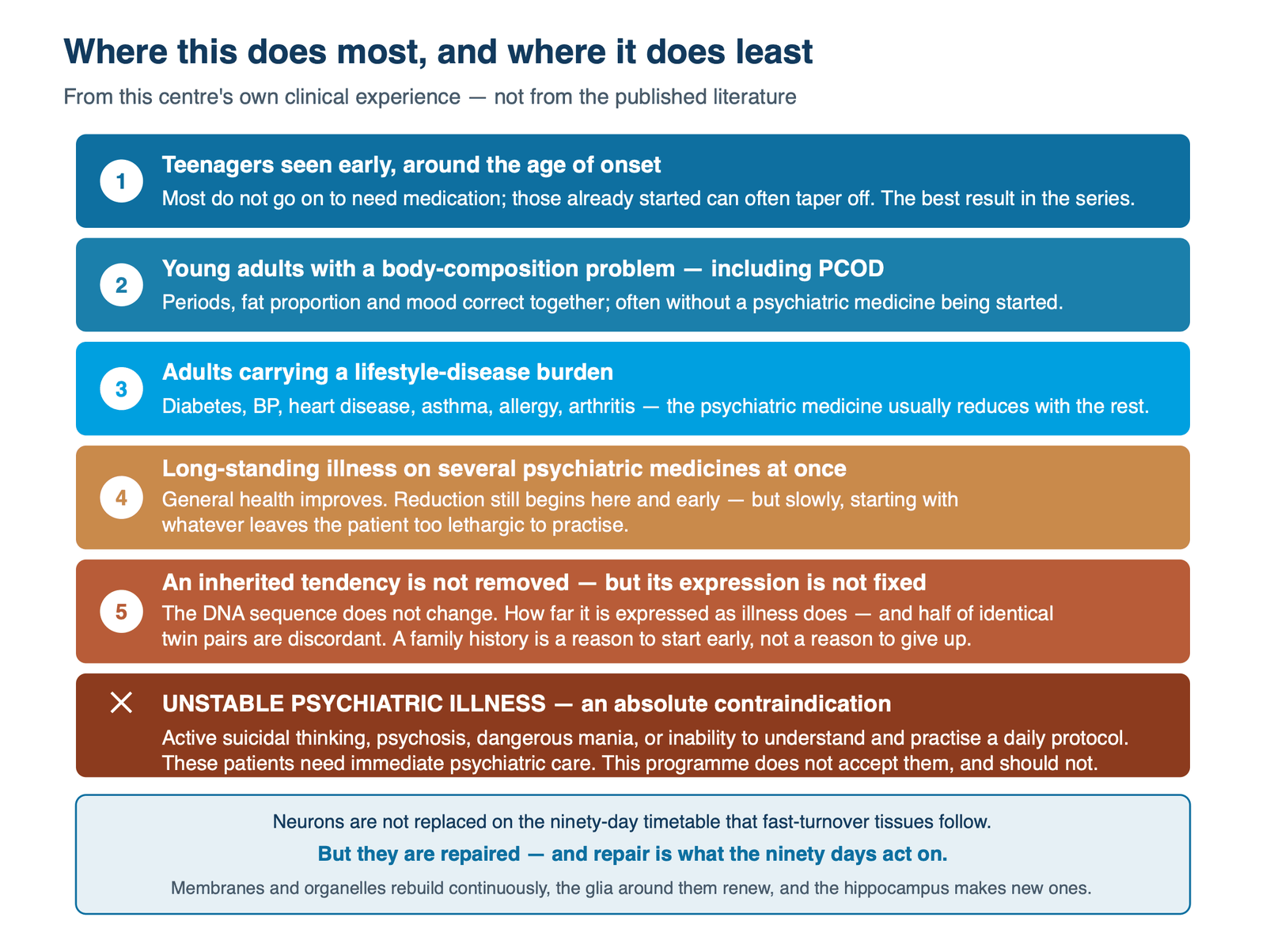
- Teenagers seen early, at or around the age of onset, where the protocol is followed and screen time is genuinely restricted. Most do not go on to need medication; those already started are frequently able to taper off.
- Young adults with a body-composition problem alongside the mental-health complaint — overweight or underweight — and particularly young women with PCOD, where periods, composition and mood correct together.
- Adults carrying a lifestyle-disease burden — diabetes, blood pressure, heart disease, asthma, allergy, arthritis — where the psychiatric medicine usually reduces alongside the others as the reports improve.
Where it does less, and where it does not apply at all
- Long-standing psychiatric illness on several medicines at once — four or more drugs running for years, often a stimulant, a sedative and a stabiliser together. Improvement in general health, energy, weight and inflammatory markers is very achievable. The reduction is slower here, and it is approached differently: it begins early rather than at the end, in small steps, and it begins with whatever is leaving the patient too lethargic to do the exercise the programme depends on.
- Unstable psychiatric illness is not a candidate for this approach at all — set out under Suitability below.
- An inherited tendency is not removed — but its expression is not fixed. Bipolar disorder and schizophrenia have well-established heritability, and the DNA sequence itself does not change. What does change is how far that inheritance is expressed as illness, how severe the episodes are, and how well a person recovers between them. Roughly half of identical twin pairs are discordant for these diagnoses — the plainest evidence that inheritance sets a risk rather than an outcome. So a family history is a reason to start early, not a reason to conclude that nothing can be done.
Medication — how reduction actually happens
Psychiatric medicines are effective and they are not the enemy of this work. They settle an illness that is genuinely dangerous when it is not settled, and one of them — lithium — reduces the risk of suicide on its own evidence, independently of its effect on mood. Psychotherapy alongside medication does better than either alone. None of what follows is an argument against any of that. It is an account of how the quantity of medicine comes down when the body underneath it has been corrected.
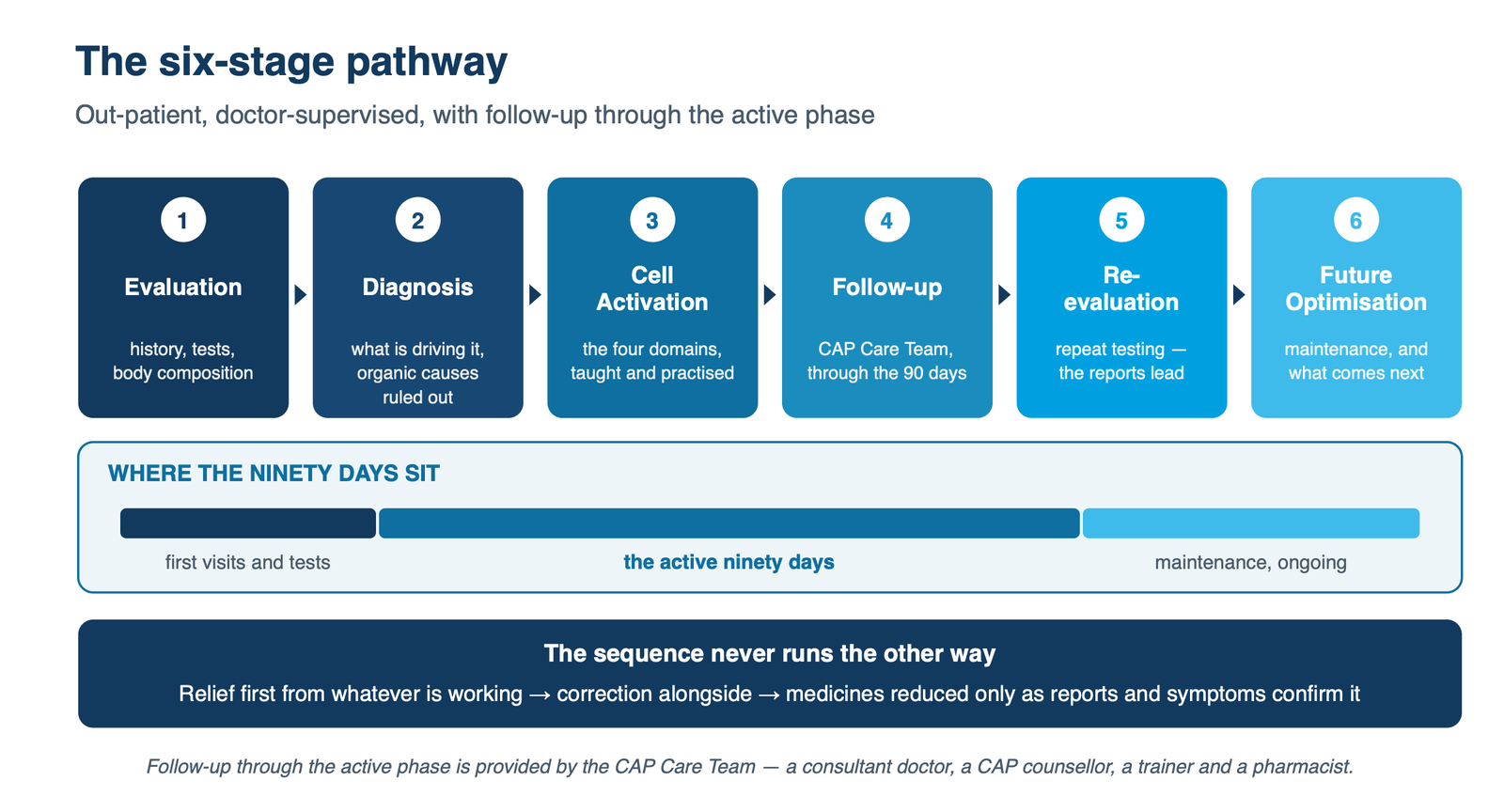
The sequence is fixed and it never runs the other way.
Relief first, from whatever is currently working — the psychiatric medicine included. Nothing is stopped at the start of the programme. Correction alongside, over the following weeks: nutrition, structured physical and mental activity, sleep and rest, and reduction of toxin load. Then medicines come down as the reports and the symptoms confirm it, in steps, under the doctor’s guidance.
Who guides that reduction. Where the picture is clear, the patient is stable and symptomatic relief has arrived, the doctors at this centre will guide a gradual reduction themselves, as they do for diabetes or blood pressure — and this is done at each step on the basis of symptoms and reports.
Psychiatric medicine is harder to reduce than most, and the reduction is slower for a specific reason. With diabetes the sugar reading tells you within days whether a step down was right. Psychiatric medicines have withdrawal effects of their own, so a reduction has to be made in small steps, with the withdrawal itself anticipated and compensated for, and with time allowed at each step before the next.
Where several medicines are running at once. A patient arriving on four or five psychiatric drugs is usually on a combination that works against itself — a stimulant, a sedative, a stabiliser, something for sleep. That creates a specific practical problem: the patient is too lethargic to do the exercise the programme depends on. So the reduction is not deferred to the end. It begins early, in small steps, and it begins with whatever is holding the patient back from taking part at all. Nothing else in the programme works while a person is too flattened to move.
Who guides it. When a patient joins here, the reduction is guided here — that is what they have come for — and it is done step by step on symptoms and reports. Two situations change that. Where a psychiatrist has referred the patient, it is done with that psychiatrist, who already knows what the programme is doing. And where the patient would rather not reduce without their own doctor’s word — often because the relationship is long and they do not feel safe changing anything without it — they are asked to go back to that doctor, say plainly that they are on a lifestyle correction programme, and take their advice.
The rule that governs every step. A reduction is made only when the patient is genuinely following the protocol and is comfortable at the level they are on. If they are not, or if a step does not sit well, the step is reversed — back to the previous regime, and back to the doctor. That is the whole safety mechanism, and it is not complicated: reduce only into improvement, and reverse without hesitation when it is not there.
What clinically supported lifestyle correction is
The phrase needs explaining, because it is neither a diet plan nor general advice to eat well and exercise.
Clinically supported means it is done under a doctor, on measurements. Blood parameters and body composition are recorded at the start, the correction is set against what those show, and the same measurements are repeated to decide what happens next. Nothing changes because time has passed; it changes because a symptom got relieved or a reading was normalised.
Lifestyle correction means the work is done through nutrition, activity, rest and reduction of toxin load rather than through a drug — correcting the conditions that produced the problem instead of adding a treatment on top of it.
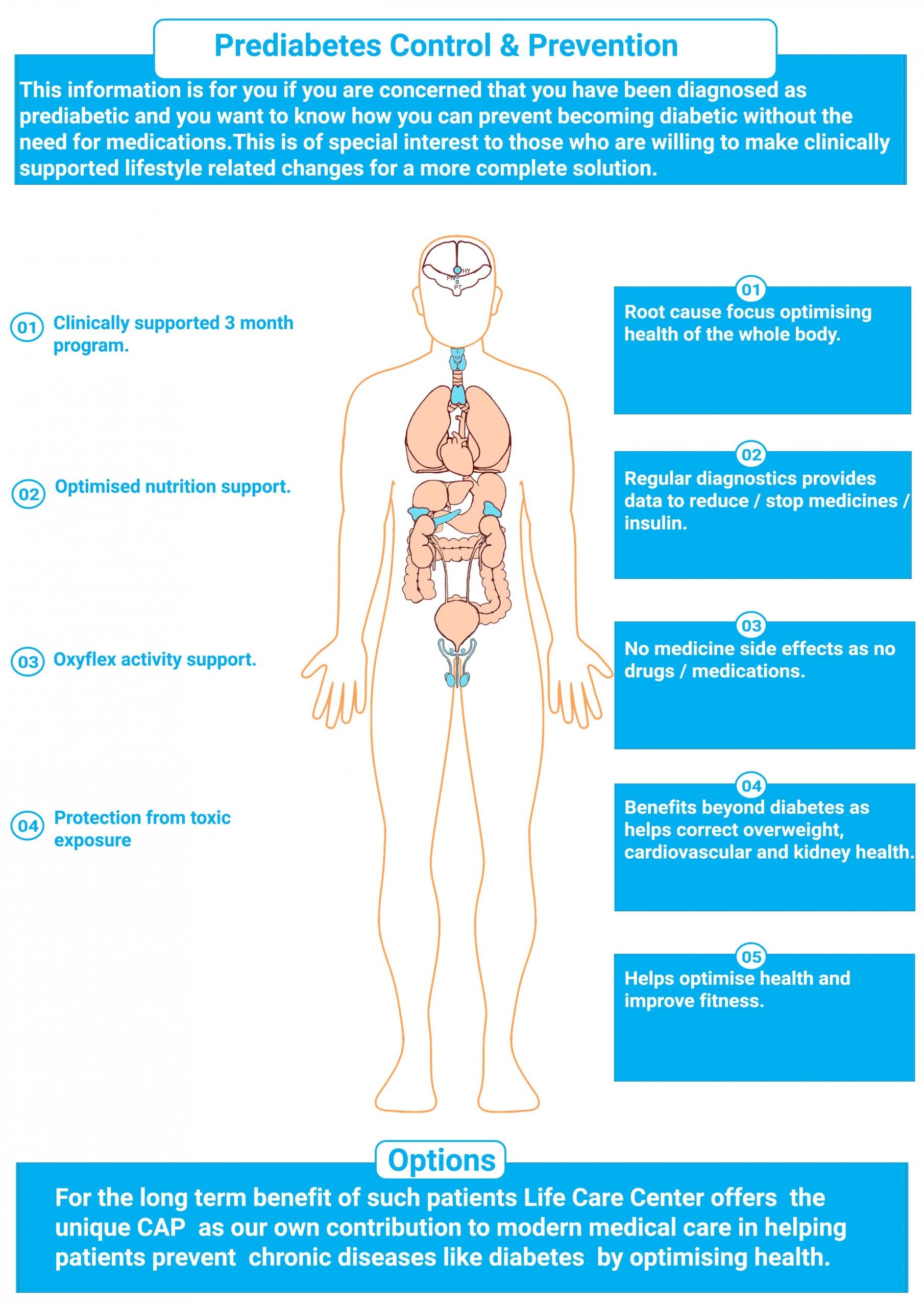
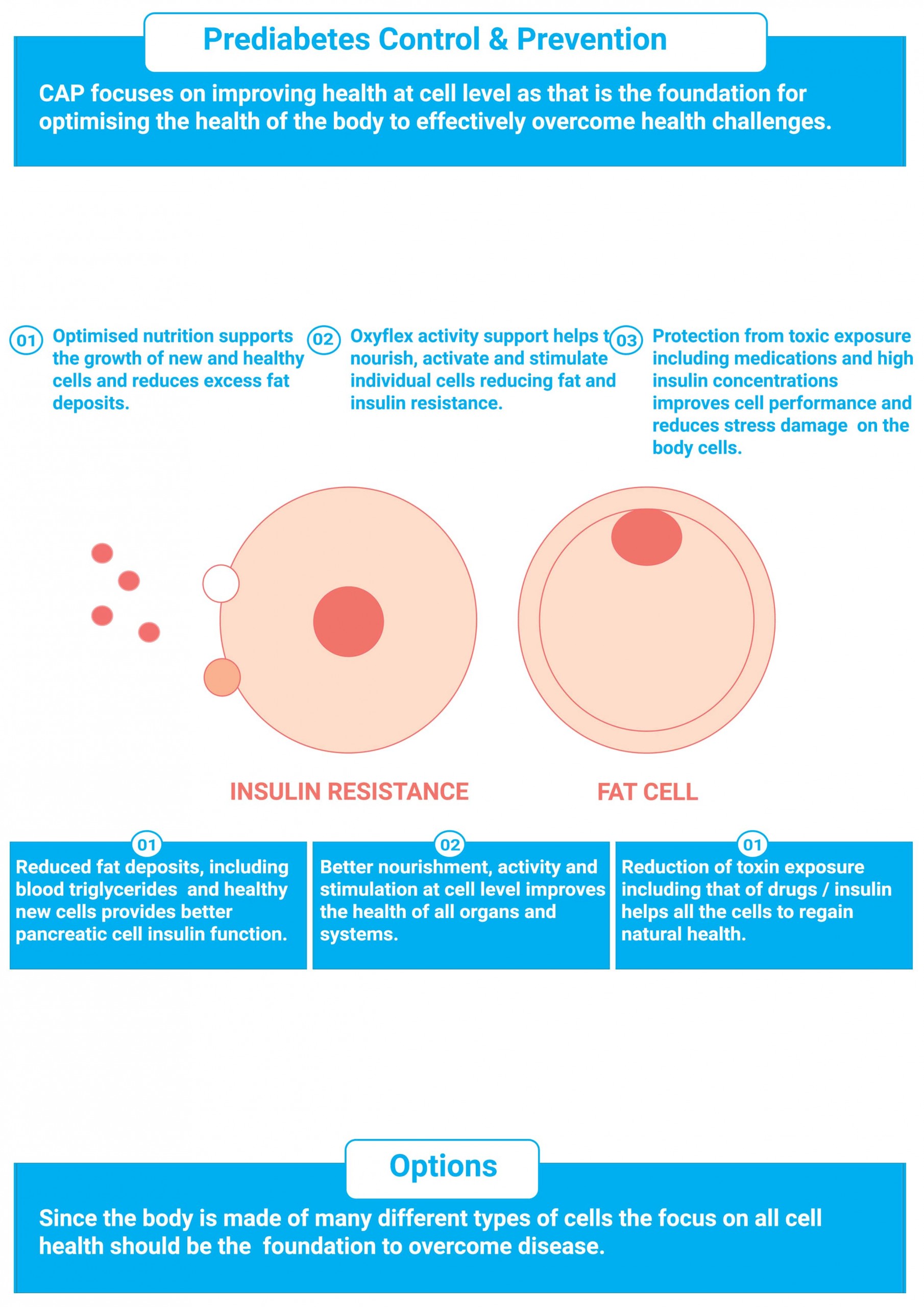
CAP — the cell activation protocol. The body is somewhere near 50 trillion cells, and every one of them needs the same few things. Activity raises circulation, so that nutrition actually reaches tissue and waste is actually carried away. That is what activating a cell means — improving supply and drainage, everywhere at once. It is also why one correction improves several apparently unrelated problems at the same time, and why correcting general health reaches the cells of the brain.
In one line: the same four corrections, applied to the whole body, measured before and after, under a doctor.
The four domains
The correction is delivered across four domains together. Delivered separately they achieve little; the effect comes from all four at once, which is the whole design.
| Domain | What is corrected | Why it matters in mental health |
|---|---|---|
| Nutrition | Low sugar and low starch, to move the body onto burning its own excess and ectopic fat; correcting deficiencies and the fatty-acid balance; adequate protein for the amino acids from which neurotransmitters are built; adequate dietary fibre; restoring the sodium–potassium and magnesium–calcium balance; removing ultra-processed food, added colourings and preservatives | The membrane a nerve cell rebuilds itself from, and the messengers it makes, are both built from supplied fat. The sodium–potassium ratio sets the running cost of the brain’s largest energy expense. Deficiency states — B12, folate, vitamin D, magnesium — produce psychiatric symptoms directly. Fibre feeds the gut bacteria whose short-chain fatty acids the brain’s microglia need in order to mature |
| Physical and mental activity | Structured, graded daily movement, taught in person and practised at home, together with deliberate mental activity | Aerobic exercise has the strongest single-intervention evidence in this field. Working muscle and loaded bone also release signalling molecules — myokines such as BDNF, irisin, cathepsin B and IGF-1, and the bone hormone osteocalcin — several of which cross into the brain and act on neurogenesis and synapse formation. Trained muscle also converts kynurenine into a form that cannot enter the brain, disposing of an inflammatory metabolite before it arrives. Exercise is an endocrine and metabolic event, not only a circulatory one |
| Rest and sleep | Restoring sleep timing and duration; the screen restriction that makes it possible | Insomnia predicts the onset of depression, anxiety and psychosis, not merely their presence. Slow-wave sleep is also when the brain’s glymphatic clearance runs — the astrocyte-driven system that removes amyloid, tau and alpha-synuclein. The pumping depends on a slow noradrenaline rhythm within natural non-REM sleep, which is why the aim is restored sleep rather than sedation. This is the most upstream lever available |
| Toxin load | Lowering avoidable exposure — colourings, preservatives and taste enhancers first, then alcohol and tobacco; reducing unnecessary medication under supervision | Reducing what the liver, kidney and immune system are carrying frees capacity for repair. Every unnecessary compound, medicines included, is added work |
Delivered together and consistently, these four are intended to create favourable conditions at cell level: better delivery of oxygen and nutrients into cells, and better clearance of waste out of them.
Watch the sessions
The Malayalam session below covers this subject in full. The English session on the same subject follows it. The two foundation sessions explain the approach itself.
Malayalam — mental health, medication and lifestyle:
English — the same subject:
English — the approach itself:
Malayalam — the approach itself:
Why the first 90 days matter
Fast-turnover tissues renew quickly. Most white blood cells live under a week; immune cells and the gut and airway linings renew over roughly one to two weeks. The working estimate is that a large majority of fast-renewing damaged cells can be replaced within about ninety days, which is why symptomatic relief and marker improvement arrive early in most conditions.
The nervous system runs on a longer clock, because its support cells renew over months rather than days, its neurons are mostly repaired rather than replaced, and the one region that does make new ones makes them slowly. What changes inside ninety days is the environment they are working in — the inflammatory load, the insulin, the sodium–potassium ratio, the fat available to rebuild membranes, the sleep. Improvements in energy, sleep and mood commonly appear well before the ninety days are complete; the durable endpoint is nearer three to six months.
The care pathway runs in six stages: Evaluation → Diagnosis → Cell Activation → Follow-up → Re-evaluation → Future Optimisation. Follow-up through the active phase is provided by the CAP Care Team — a consultant doctor, a CAP counsellor, a CAP trainer and a pharmacist.
Benefit lasts as long as the practice does. If the practice stops, the biology drifts back, and this is true of every condition treated here. Relapse is not a failure of character; the ordinary triggers are ordinary life — family difficulty, travel, stress, infection.
Suitability
This work suits a patient who:
- must be clinically stable, both mentally and physically
- must be mentally able to understand, learn and practise a daily protocol
- must be able to take nutrition and follow the dietary correction
- must be able to do gentle, structured movement daily
- must be willing and able to restrict social-media and screen time — for a child, this includes the family being willing to enforce it
- must be able to give the first ninety days real priority
Lifestyle Correction with CSLC-CAP is not suitable for a patient in unstable psychiatric illness — psychosis, dangerous mania, or a state in which a daily protocol cannot be understood and practised. Where a physical or mental limitation prevents independent practice, a family member enrols alongside. For a minor, at least one parent enrols; children under ten are usually not taken.
Frequently asked questions
My child is fifteen and has just been started on a medicine for anxiety. Is it too late for this?
No — this is the group where correction does most. Half of all psychiatric illness begins before eighteen and the peak age of onset is 14.5 years, which is exactly why intervening at this point matters. Where the protocol is followed and screen time is genuinely restricted, most children in this position do not go on to need long-term medication, and many already started are able to taper off under doctor’s supervision.
Can lifestyle correction replace my psychiatric medication?
Initially it runs alongside psychiatric treatment. What frequently happens over weeks and months is that the quantity of medicine needed comes down — on the basis of symptoms and reports — and it can then be tapered off under the doctor’s supervision.
I have been on four psychiatric medicines for eight years and now take medication for diabetes, BP and cholesterol. What can I expect?
This is a common picture and it is worth separating what happens quickly from what happens slowly.
The metabolic medicines usually move first. Sugar, blood pressure and lipids respond to the correction within weeks, and those medicines are reduced on the reports as they improve — that is ordinary practice here and the same as it would be for a patient without any psychiatric history.
The general improvement comes next, and it is usually what the patient notices: energy, sleep, weight and body composition, and the inflammatory markers falling. Several of the psychiatric medicines themselves contribute to the weight and metabolic problem, so correcting that also removes one of the reasons the whole list keeps growing.
The psychiatric medicines are the slowest part, but the reduction is not postponed until everything else is finished. It starts early and in small steps, beginning with whatever is leaving you too lethargic to do the exercise — because on four drugs that is usually the thing standing between you and the rest of the programme. Withdrawal effects have to be anticipated and compensated at every step, and the interval between steps is longer than it would be for a diabetes medicine. A step is taken only when you are following the protocol and comfortable; if it does not sit well, it is reversed and you go back to your doctor.
What is realistic to expect is that the total number of medicines comes down substantially, that the metabolic ones come down first and fastest, and that the psychiatric ones follow more slowly and under guidance.
Why is screen time treated as a medical issue?
Because in this practice it is the strongest single predictor of whether a patient improves, in adults as much as in children. The honest position on the evidence is that the association between heavy social-media use and adolescent depression and anxiety is consistent but the effect sizes are modest and causation is not established. What is not in dispute is the displacement: late screen use costs sleep, and disturbed sleep predicts the onset of psychiatric illness; it costs physical activity, which has a demonstrated moderate effect on adolescent depression; and it costs daylight and face-to-face contact. Those mechanisms are enough on their own.
My daughter has PCOD, irregular periods and anxiety. Are these three separate problems?
Largely they are one problem with three presentations. Insulin resistance is present in up to 70% of women with PCOS and is independently associated with depression in this group; women with PCOS have around 3.8 times the odds of depressive symptoms and 5.6 times the odds of anxiety symptoms. Correcting body composition, hormonal imbalance — estrogen, progesterone, thyroid hormones — and insulin sensitivity commonly improves all three together, and in this practice that frequently happens without a psychiatric medicine being started at all.
If nerve cells cannot be replaced, how can the brain improve at all?
Three answers, and the first one has changed recently.
Part of the brain does make new nerve cells. Dividing neural progenitors were identified in the adult human hippocampus in July 2025, in donors up to seventy-eight years old. The amount varies enormously between individuals; it is markedly reduced in Alzheimer’s disease and roughly doubled in people who keep a sharp memory into their eighties.
Most of the cerebrum is not nerve cells anyway. Astrocytes, microglia and oligodendrocytes outnumber neurons roughly four to one in the cerebral cortex — the region mood and behaviour are generated in — and unlike neurons they are continuously renewed. They are also the cells measurably abnormal in illness: depleted in depression, hypertrophied in epilepsy, inflamed in addiction. And they run the brain’s overnight drainage system.
A neuron does not have to be replaced to be repaired. Its membranes and organelles are rebuilt constantly out of what the diet supplies. Most lost nerve cells do not return, but almost everything around them and inside them is renewable.
Does a sleeping tablet do the same job as sleep?
Not for every purpose, and this is worth understanding rather than acting on alone. The brain’s overnight clearance appears to be driven by a slow noradrenaline rhythm inside natural non-REM sleep, and in mouse experiments a common sleeping drug suppressed both that rhythm and the clearance while the animal still slept. That is animal evidence and it is not a reason to stop a prescribed medicine — stopping a sleeping tablet abruptly carries its own risks. What it does explain is why the aim in this programme is to restore natural sleep rather than to replace it, and why screen restriction, meal timing and daily movement are treated as the sleep intervention.
Does this work for bipolar disorder and schizophrenia?
It applies to a patient with those diagnoses who is stable and able to follow a daily protocol, and it can reduce the metabolic and inflammatory load that makes the illness harder to manage — including the substantial weight and metabolic change that several of these medicines cause. It does not change the DNA a person was born with. What it can act on is the expression of that inheritance — the layer between the gene and the illness, which responds to nutrition, movement and sleep. Where these diagnoses run in the family, that is an argument for beginning early rather than waiting to see whether the illness arrives. It is not appropriate during an unstable phase.
It runs in my family. Is there any point in trying?
Yes — and arguably more point than for someone without that history. The DNA a person inherits does not change, but it is not the DNA alone that decides whether an illness appears. Roughly half of identical twin pairs are discordant for schizophrenia and for bipolar disorder, despite sharing every gene, and the differences found between such twins sit in the epigenetic layer — the marks that decide which genes are reachable and used. That layer responds to nutrition, movement, sleep and inflammatory load. A family history is the strongest reason to correct those things early, while the expression is still being decided, rather than waiting to find out.
If I improve, can I stop and go back to how I lived before?
No, and this applies to every condition treated here rather than to mental health alone. The benefit lasts as long as the patient follows the optimal lifestyle pattern learned during the initial 90 days of treatment period. Where the practice lapses for a long period, symptoms may come back, a supervised restart over three to six months is the usual course, followed again by maintenance.
Related reading
- Autoimmune diseases — the inflammation-and-repair framing that underlies this article, set out at its origin.
- Age-related lifestyle diseases — insulin resistance and inflammaging, the same metabolic layer described here in an older population.
- Arthritis — where several comorbidities improving from one correction is set out most fully.
- Fatty liver — the organ that most often accompanies the metabolic picture described here, and where reports rather than symptoms lead the reduction of medicines.
- Weight-loss injections and diabetes — what weight lost as fat rather than lean tissue means, which is the measurement principle used throughout this article.
- Kidney disease — where the structural limit is hardest, and the clearest statement in the series of what cannot be reversed.
- Cancer and health optimization — the same inflammatory and metabolic load, and the depression and anxiety that so often accompany the diagnosis.
- Psoriasis and psoriatic arthritis — the two halves of the immune system, defence and repair, and what happens when the balance tilts.
References
- Fanelli G, et al. Insulin resistance and poorer treatment outcomes in depression: evidence from UK Biobank primary care data. British Journal of Psychiatry 2026;229:26–35.
- Dumitru I, et al. Identification of proliferating neural progenitors in the adult human hippocampus. Science 2025;389:58–63.
- Disouky A, et al. Human hippocampal neurogenesis in adulthood, ageing and Alzheimer’s disease. Nature 2026;652:1264–1273.
- Hauglund NL, et al. Norepinephrine-mediated slow vasomotion drives glymphatic clearance during sleep. Cell 2025;188:606–622.e17.
- Sethi S, et al. Ketogenic Diet Intervention on Metabolic and Psychiatric Health in Bipolar and Schizophrenia: A Pilot Trial. Psychiatry Research 2024;335:115866.
- Agudelo LZ, et al. Skeletal muscle PGC-1α1 modulates kynurenine metabolism and mediates resilience to stress-induced depression. Cell 2014;159:33–45.
- Dempster EL, et al. Disease-associated epigenetic changes in monozygotic twins discordant for schizophrenia and bipolar disorder. Human Molecular Genetics 2011;20:4786–96.
- Shimazu T, et al. Suppression of oxidative stress by β-hydroxybutyrate, an endogenous histone deacetylase inhibitor. Science 2013;339:211–4.
- Sleiman SF, et al. Exercise promotes the expression of brain derived neurotrophic factor (BDNF) through the action of the ketone body β-hydroxybutyrate. eLife 2016;5.
- Rönn T, et al. A six months exercise intervention influences the genome-wide DNA methylation pattern in human adipose tissue. PLoS Genetics 2013;9:e1003572.
- Solmi M, et al. Age at onset of mental disorders worldwide: large-scale meta-analysis of 192 epidemiological studies. Molecular Psychiatry 2022;27:281–295.
- Cooney LG, et al. High prevalence of moderate and severe depressive and anxiety symptoms in polycystic ovary syndrome: a systematic review and meta-analysis. Human Reproduction 2017;32:1075–1091.
About the author and the centre
Dr Jolly Thomson MBBS MD trained and practised in obstetrics, gynaecology and infertility treatment — MBBS (Government Medical College, Kottayam, 1981 batch), DGO and MD in Obstetrics and Gynaecology (Government Medical College, Thiruvananthapuram, 1989 batch). She practises today in a different field: clinically supported lifestyle correction — reversing lifestyle-related disease and optimising health. Where this article says in this practice or in this centre’s experience, that is what it refers to: patients she has assessed, corrected and followed herself.
Where the method came from. Not from a laboratory. It came out of that reproductive practice — preconception care for the couple, mother and baby through pregnancy, childbirth, and mother and newborn afterwards. Where lifestyle was corrected in a structured way she saw better pregnancy rates, fewer miscarriages, and fewer complications. What worked before a pregnancy turned out to work in the lifestyle diseases themselves, and that is how the method reached the rest of the practice — including the patients described here.
Life Care Centre, Thevara, Kochi is where the method is practised.
Important note
This article is general health education. Psychiatric medication must not be started, stopped, reduced or changed except under the doctor’s supervision.
If you or someone in your family is experiencing thoughts of suicide or self-harm, an act of self-harm, psychosis, severe confusion, uncontrollable agitation, or a severe manic episode, seek emergency medical care today — not next week.
CSLC-CAP is a methodology and treatment for health optimization — to improve quality of life, and to reduce the need for medication and surgical interventions. It is delivered as an out-patient treatment with frequent telemedicine follow-up, under doctor supervision.