Age-Related Lifestyle Diseases: Reversing Insulin Resistance and Inflammation — Health Optimization in Kochi with CSLC-CAP

Age-Related Lifestyle Diseases: Reversing Insulin Resistance and Inflammation — Health Optimization in Kochi with CSLC-CAP
- Binoy
- أغسطس 06, 2026
- 0 Comments
As the years pass it can feel as though the body is quietly giving way — first one tablet, then three, then eight. But aging is not a disease, and the body has not turned against anyone. The metabolic, immune and hormonal systems are still the body’s own repair and defence systems, operating in conditions that have gradually turned against them.
CSLC-CAP is a methodology and treatment for health optimization — a clinically supervised lifestyle-correction approach that works on root causes, delivered at Life Care Centre, Kochi, under modern-medicine doctors. Its purpose is to improve quality of life and to reduce the need for medication and surgical intervention. It rests on a simple proposition: when the body is given optimal nutrition, appropriate stimulation, genuine rest and a lower toxin load, its own systems have the best available conditions in which to correct their biology and repair at the cellular level.
It is grounded in modern medical science, uses standard laboratory and imaging investigations, and every stage is supervised by registered modern-medicine doctors.
What “reversal” means here — and what it does not
People ask directly whether these conditions can be reversed, so the answer is given directly.
When a long-standing metabolic condition becomes quiet — symptoms settle, blood sugar and HbA1c fall, blood pressure settles, lipids and inflammatory markers improve, liver fat reduces, body composition changes, and medication can often be reduced under supervision — the established clinical term is remission. It is a defined, measurable state.
The everyday word reversal describes the same thing in plainer language: the direction of the disease process turns around. Used on this page it means precisely that and nothing more — a measured, documented improvement in insulin resistance and in the inflammatory and metabolic markers that track these conditions.
What reversal means: symptoms improve and daily function improves; objective measures move — fasting glucose and HbA1c, blood pressure, lipid profile, hs-CRP, liver imaging and enzymes, waist measurement and lean-to-fat ratio; the requirement for medication may reduce, gradually, doctor-supervised and test-guided.
What reversal does not mean: it is not a cure. Susceptibility remains — genetics, the years of accumulated load, and the body’s tendency to return to its old pattern. Reversal is a state that is held, not a switch that is permanently flipped, and markers can move in the wrong direction again where the principles of healthy lifestyle (the CSLC-CAP principles) are not maintained, and the conditions can recur.
Outcomes also differ widely. What is achievable depends on the specific condition, how long it has been present, how much organ damage has already occurred, and the body’s remaining capacity to repair.
What age-related lifestyle diseases are
These are the chronic conditions that become more common with age — type 2 diabetes, high blood pressure, coronary artery disease, dyslipidaemia, osteoarthritis, fatty liver, chronic kidney impairment, osteoporosis, prostate enlargement in men, and the progressive loss of muscle known as sarcopenia.
They are usually described as simply part of getting old. Two different things are worth separating. Ageing itself is natural, universal and not a disease. What is called age-related disease is, to a large extent, the accumulated result of decades of metabolic and inflammatory load — which is why these conditions now appear in people in their forties, and why two people of the same age can be in entirely different health.
Why so many of these conditions arrive together
One of the most striking patterns in clinical practice is that these diagnoses rarely arrive alone. The same person develops diabetes, then high blood pressure, then abnormal lipids, then joint pain, then a kidney or liver finding. This is not a coincidence.
Underneath them lies a shared biological terrain: insulin resistance, excess visceral and ectopic fat, disturbed sleep, chronic stress, nutritional imbalance, reduced physical activity, and a background of persistent low-grade inflammation. Because the conditions share their drivers, they cluster — and that same shared terrain is what health optimization works on.
Health care and medical care
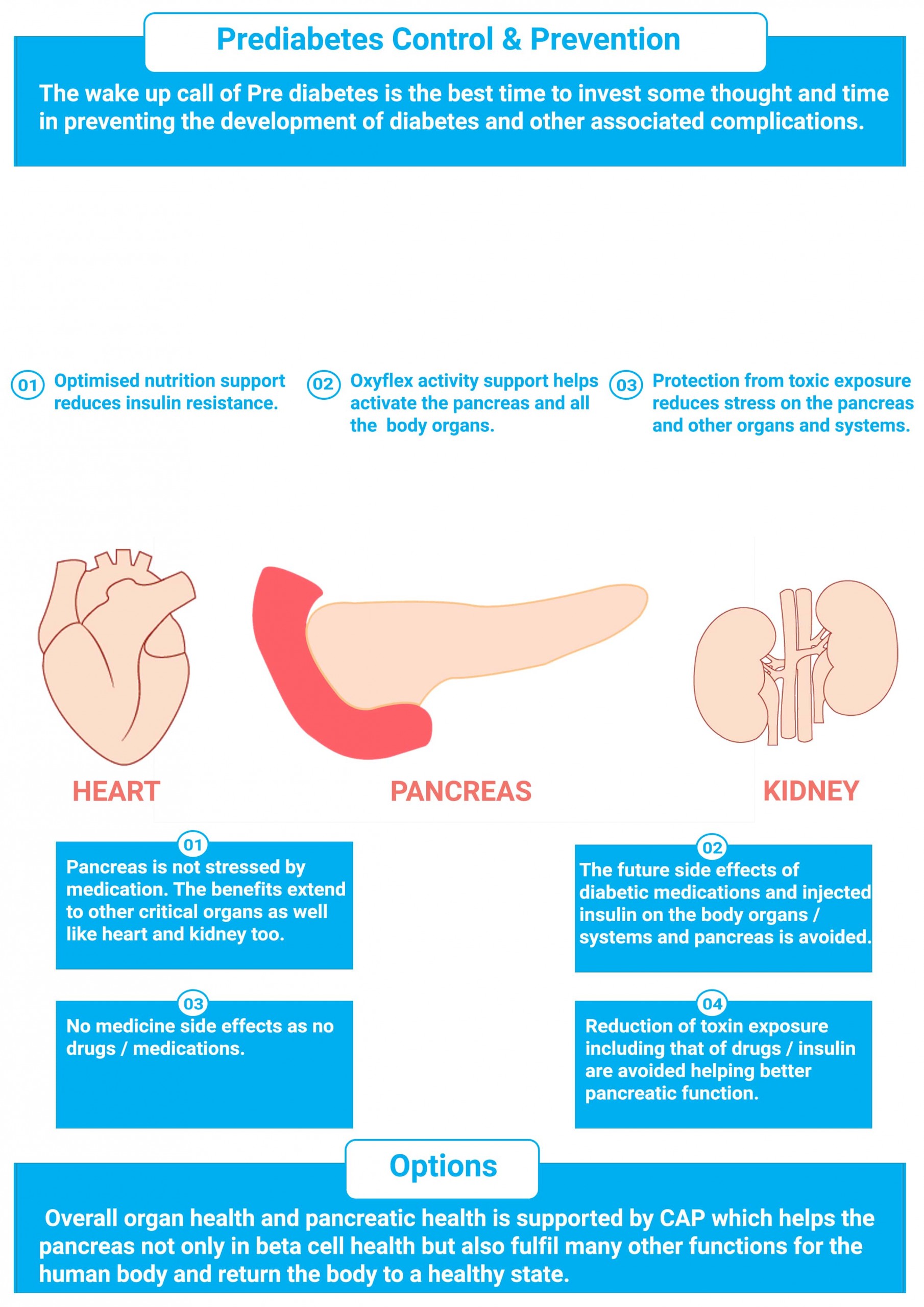
Medical care begins once disease has appeared. It diagnoses, controls the numbers and, where necessary, manages complications with medication or surgery. This work is essential and CSLC-CAP does not displace it. But its target is the disease itself, not the terrain in which the disease develops.
Health care works upstream, on that terrain — nutrition, activity, rest and a low-toxin, low-inflammation environment — so that the metabolic, immune and hormonal systems have sound general conditions in which to function.
CSLC-CAP is health care delivered under modern-medicine supervision. The aim is optimization of biology rather than control of disease alone. In practice the sequence is straightforward: existing prescribed medicines continue unchanged at the outset; as symptomatic relief appears and markers improve on repeat testing, doctors may consider reducing medicines one at a time, always supervised and always guided by test results.
| Aspect | Medical care | Health care (CSLC-CAP) |
| Primary aim | Diagnose and control disease and complications | Optimize underlying biology so systems have good conditions for balance |
| Main tools | Medication, procedures, specialist management | Optimal nutrition, activity, rest, a low-toxin environment |
| Focus | The disease | The terrain the disease develops in |
| Timing | Once disease has appeared | Upstream and ongoing, guided by repeat testing |
| Supervision | Modern-medicine doctors | Modern-medicine doctors |
Inflammaging: why inflammation and ageing share a lever
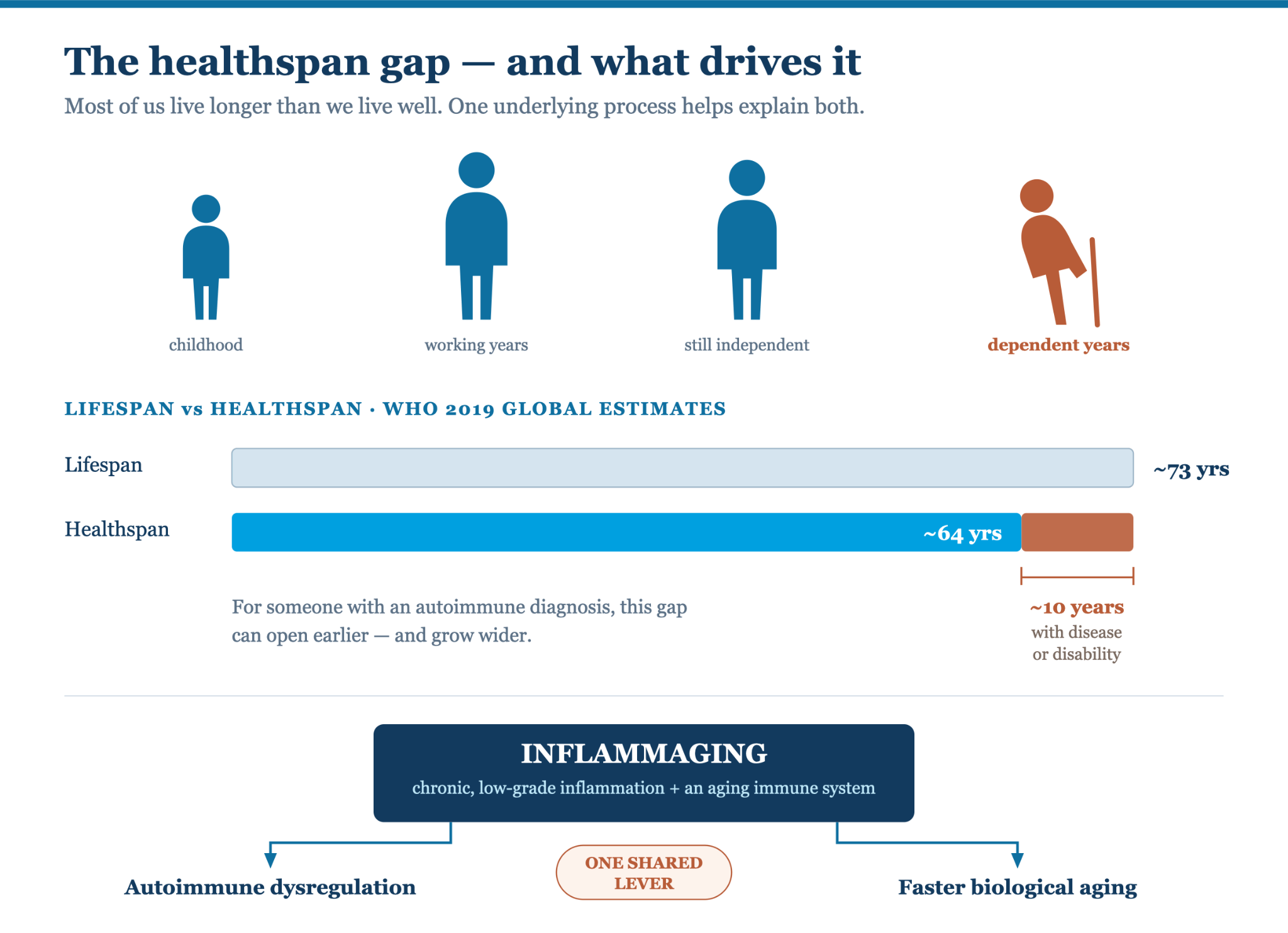
Inflammaging and the healthspan gap — two ideas at the centre of the CSLC-CAP health-optimization model.
Inflammaging is chronic, low-grade inflammation that accumulates with age and which, alongside an aging immune system (immunosenescence), can push the body toward metabolic and vascular dysregulation. It links processes long studied separately: diabetes, atherosclerosis, arthritis, frailty and biological ageing itself.
Research associates inflammaging with persistent activation of the innate immune system, the senescence-associated secretory phenotype released by ageing cells, visceral and ectopic fat behaving as an active inflammatory tissue, metabolic dysregulation, and shifts in the gut microbiome.
The implication is striking. The same inflammatory load that drives one age-related condition is associated with the others, and with faster biological ageing. Lowering that load is therefore a single lever acting on all of them — which is what the four optimization domains are designed to influence.
It is also measurable. Markers such as hs-CRP, alongside homocysteine, lipoprotein(a) and measures of vascular age, give an objective picture that goes well beyond routine sugar and blood-pressure readings. This is why some people with entirely normal sugar and blood pressure still turn out to have significant arterial disease, and why baseline and repeat testing sit at the centre of the methodology.
Healthspan and lifespan
Healthspan is the number of years lived in good health; lifespan is simply the number of years lived. WHO 2019 estimates put global life expectancy at about 73 years and healthy life expectancy at about 64 — roughly a decade spent living with disease or disability.
For most families that decade is the real concern. It is not the number on a birth certificate but the years of dependence — walking with difficulty, managing a long list of tablets, needing help to bathe or to travel. The objective is not merely more years, but more healthy years.
Watch the full session: healthspan versus lifespan, and what reversal means in diabetes, blood pressure, heart blocks and arthritis — Dr Jolly Thomson, MBBS, MD (1 hour 7 minutes).
മലയാളത്തിൽ കാണുക: വാർദ്ധക്യരോഗങ്ങൾ വിധിയാണോ? പ്രമേഹം, ബിപി, ഹൃദ്രോഗം ജീവിതശൈലി കൊണ്ട് മാറ്റാമോ?
CSLC-CAP: the four optimization domains
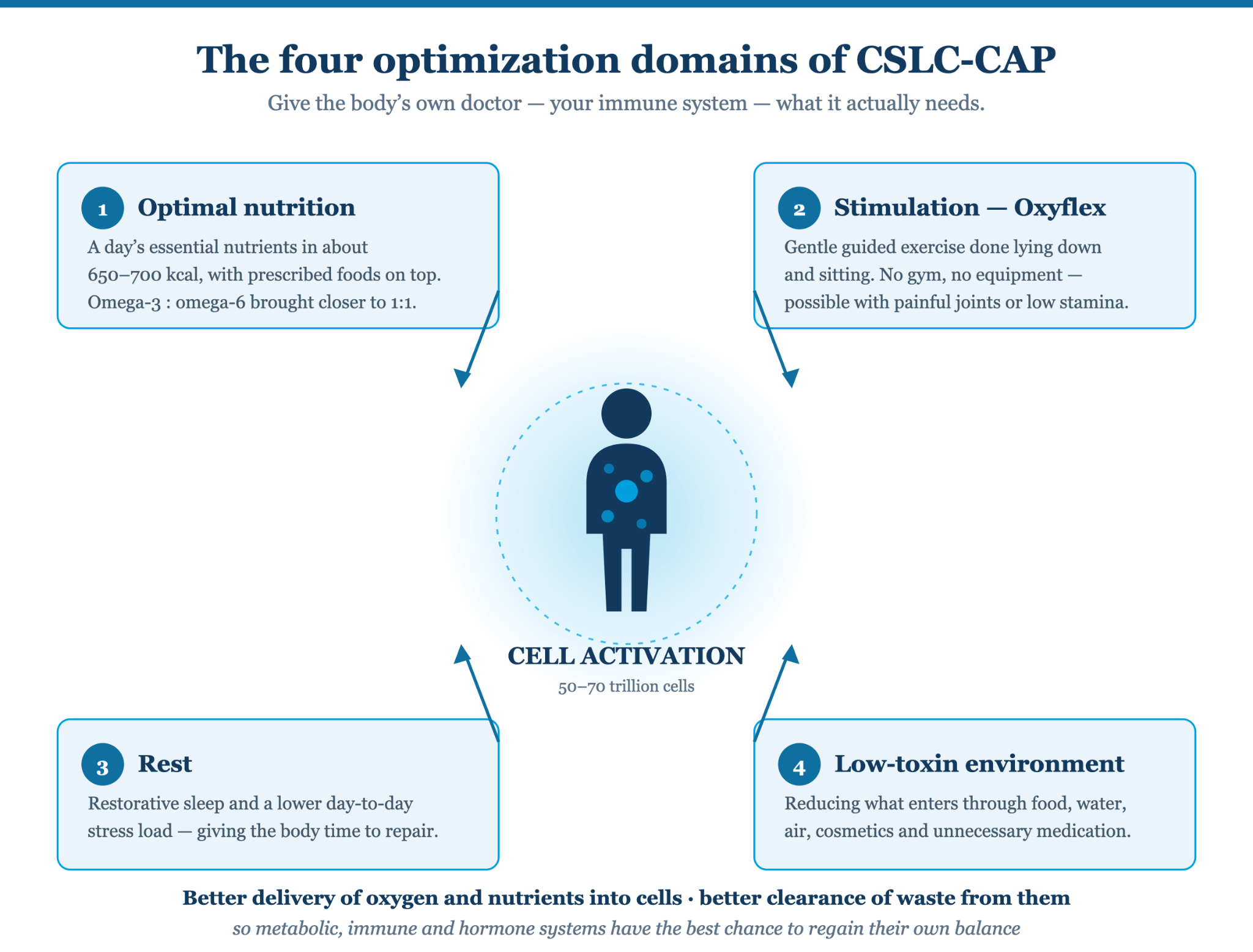
The four optimization domains, converging on the body at cellular level — what the protocol calls cell activation.
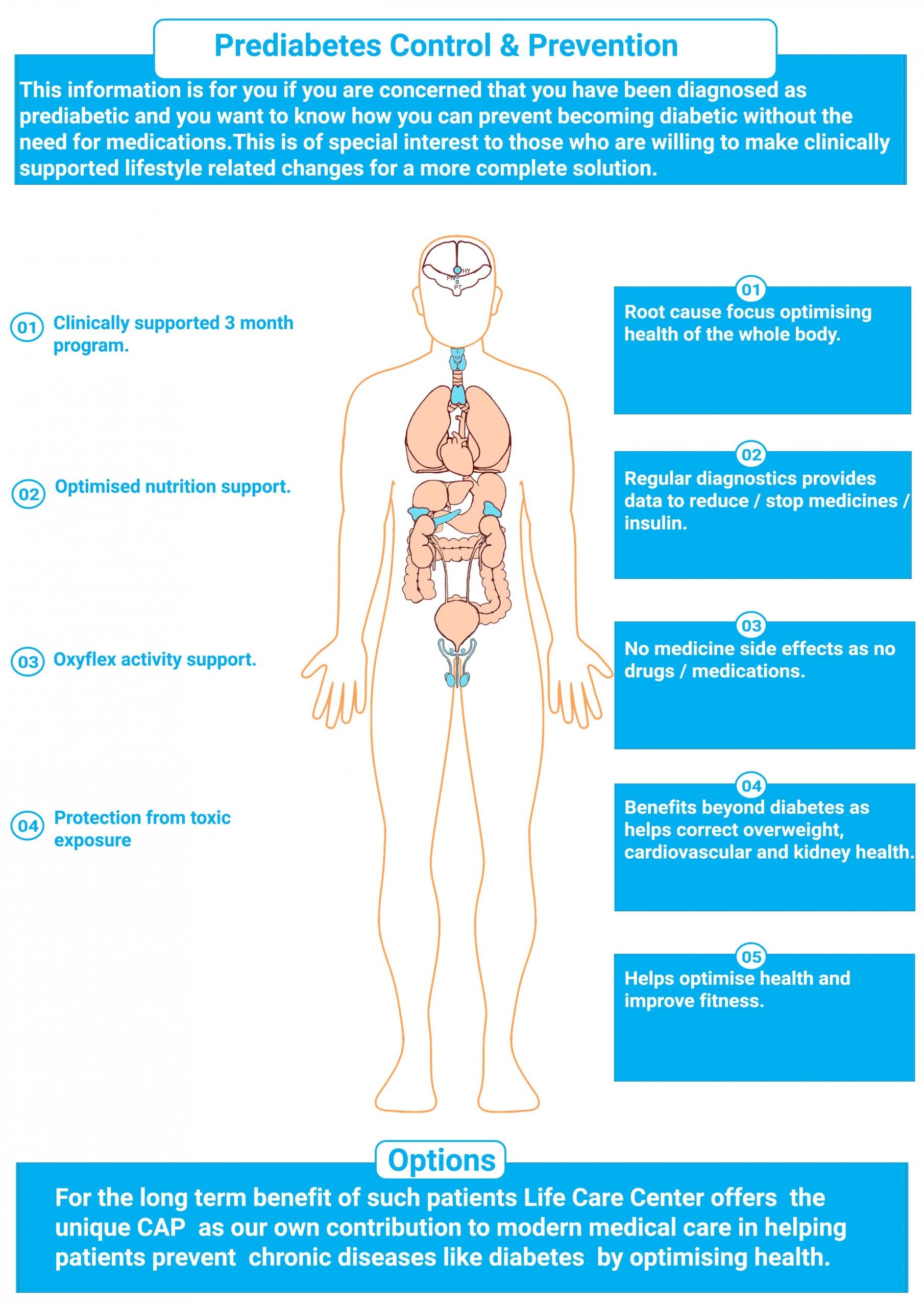
CSLC-CAP — Clinically Supported Lifestyle Correction with Cell Activation Protocol — is a structured, doctor-supervised out-patient methodology. It works on four everyday inputs. General information about the approach is set out on the CSLC-CAP approach summary information sheet.
| Domain | Principle | Rationale |
| Optimal nutrition | Nutrient-dense rather than calorie-dense intake, structured so that the day’s essential nutrients — vitamins, minerals, amino acids, essential fatty acids and dietary fibre — are reliably supplied, with foods planned individually alongside. Protein adequacy is given particular attention, since muscle is the tissue most at risk with age. Additive load is deliberately minimised. | Cells cannot repair or replace themselves without adequate raw material. The plan also works to bring the omega-3 to omega-6 balance considerably closer together. Keeping the calorie load modest allows the body to draw on its own excess and ectopic fat. |
| Optimal stimulation — Oxyflex | Structured, segmental, systematic physical and mental stimulation performed lying down and sitting. | To provide stimulation to the whole body at cellular level and support circulation, metabolism and immune regulation. |
| Rest | Restorative sleep, recovery, and a lower day-to-day stress load. | Repair is largely a resting-state process; sleep and reduced stress are associated with lower inflammation. |
| Low-toxin environment | Reducing avoidable entry of toxins through food, water, air, cosmetics and unnecessary medication. | To lighten the load carried by the excretory organs and by cells throughout the body. |
Oxyflex is a set of gentle guided exercises done at home — lying on the bed and then sitting up, working through the body one part at a time in a set order, following a simple chart. No gym and no equipment are involved, so it remains possible for someone with painful joints, stiffness, breathlessness or limited stamina. The intention is to support circulation and the delivery of oxygen and nutrients to the tissues.
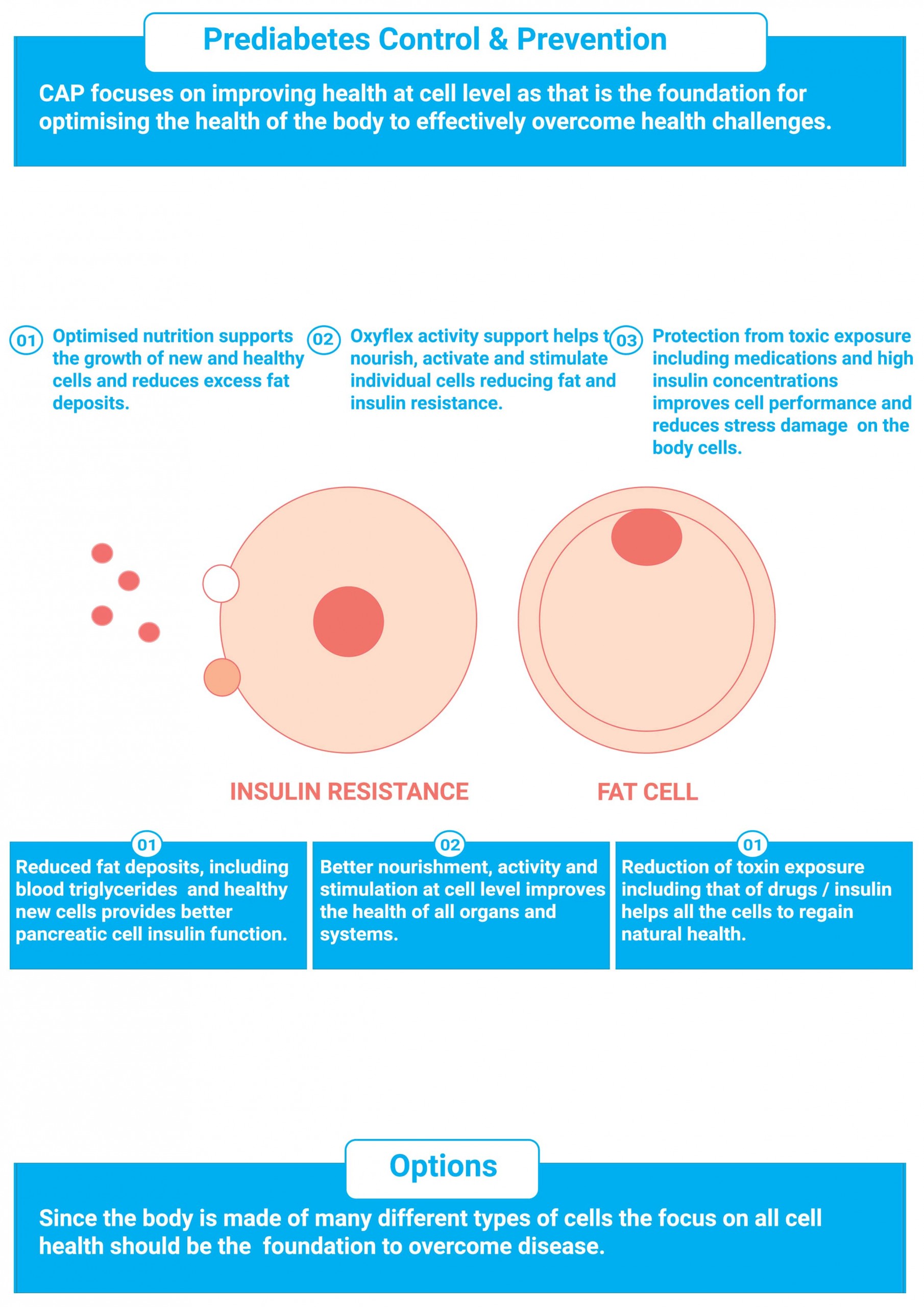
Delivered consistently, these four inputs create favourable conditions at the cellular level — the state the protocol refers to as cell activation: better delivery of oxygen and nutrients into cells, and better clearance of waste from them.
Background — the foundation video for the channel: a fourteen-minute introduction to the reasoning behind these four domains, the role of the immune system, the omega-3 to omega-6 balance, and what is meant by a toxin.
മലയാളത്തിൽ കാണുക: 90% മരുന്നുകളും ജീവിതശൈലി രോഗങ്ങൾക്ക്! മാറ്റാനാകുമോ?
Why the first 90 days matter: the body is replacing itself
The first ninety days are treated as the active phase for a biological reason. The body is not a fixed structure; it continuously dismantles and rebuilds itself.
Most white blood cells live less than a week. The cells lining the digestive tract are largely replaced within one to two weeks. Red blood cells live about 120 days — which is precisely why HbA1c reflects roughly the previous three months, and why that test is, in effect, already calibrated to this window. Liver fat can fall measurably within weeks, and the function of the endothelium — the single-cell lining of the blood vessels, and the tissue at the centre of blood-pressure and heart disease — responds within a similar timeframe.
That is the opportunity. Where optimal nutrition, appropriate stimulation, genuine rest and a lower toxin load are present during that rebuilding, a large proportion of the damaged cells being cleared are replaced by healthier ones. Based on the lifespan of these cell populations, the working estimate is that around 80–90% of the fast-renewing damaged cells may be replaced within roughly 90 days.
This also explains why relief often arrives sooner than expected, and why the three-month repeat reports so often surprise patients who have lived with a diagnosis for years.
What the active phase involves
- One to two hours a day of Oxyflex through the initial 90 days, or until body composition is corrected. Once the lean-mass to fat-mass ratio is corrected, 30–45 minutes a day maintains it.
- Nutritional support at full strength during the active phase, then tapered gradually over the following three months into a maintenance phase with minimal support.
- Priority. Work, travel and the food environment at home need to be arranged so the daily schedule is genuinely followed and reviews are kept. Where travel, occupational load or family demands make that impossible, the protocol tends not to deliver — this is the commonest limiting factor.
By around three months most patients are able to reduce medication substantially, and some come off certain medicines altogether — always gradually, always on the evidence of repeat testing.
The six-stage pathway
Every course begins with informed consent and a clear discussion of what the methodology involves. It then proceeds through six stages, anchored throughout in objective testing.
- Evaluation — detailed history, baseline blood tests and scans.
- Diagnosis — a clear picture of the conditions present and their markers.
- Cell Activation — the individualised optimization plan across the four domains.
- Follow-up — close, structured supervision.
- Re-evaluation — repeat testing to track change objectively.
- Future Optimisation — refinement for the long term, guided by results.
Where symptomatic relief occurs and reports show reduction in metabolic and inflammatory markers, medication dose can be reduced or tapered under close medical supervision. Under particular circumstances — infection, significant physical or mental stress, or interruption of the protocol — specific guidance is given on recognising the change early, and medication is restarted as and when required under medical guidance.
Nutrition, muscle and healthy ageing
Evidence associates certain patterns — Mediterranean-style eating, adequate protein and omega-3 intake, sufficient vitamin D status, regular movement including resistance work, sound sleep, reduced stress and a microbiome-supportive diet — with a lower inflammatory load and better functional aging. These findings provide the rational basis for the four domains.
One point deserves emphasis because it is so often missed. Calcium and vitamin D alone do not build strong bones; bone and muscle respond to load. Without activity, supplementation has limited effect. Equally, it is not weight alone but body composition — muscle relative to fat — that determines an older person’s strength, balance, energy and independence. Two people of identical weight can have entirely different futures.
Supervised, gradual reduction of medication
Medicines for blood sugar, blood pressure, lipids and pain perform essential work: they control the numbers and prevent organ damage. The aim, here as in modern medicine generally, is the lowest dose that keeps the condition properly controlled. No medicine should be reduced or stopped independently, and a steroid should never be stopped suddenly.
In age-related disease there is an additional and immediate reason for close supervision. When nutrition and activity change, blood sugar and blood pressure can fall quickly — sometimes within days. For anyone on insulin or oral hypoglycemic medicines, or on blood-pressure medication, doses may need to be adjusted at the very start of the methodology rather than at the end of it, to avoid hypoglycaemia or an excessive drop in blood pressure. This is precisely why the work is run under doctors and anchored in testing, and why it must never be attempted alone.
Muscle, bone and independence: what changes and what does not
Sarcopenia. The progressive loss of muscle mass and strength with age is one of the most consequential and least discussed features of growing older. It is closely linked to falls, fractures, loss of independence, poorer glucose handling and the deep fatigue many people accept as simply old age. Much of that fatigue is not inevitable: it commonly reflects lost muscle, poor metabolic health, low vitamin D, deconditioning, disturbed sleep and sometimes the cumulative effect of sedating medication. Muscle remains responsive to appropriate loading well into later life, which is why activity and adequate protein sit at the centre of the plan rather than at its margins.
Joints. Much age-related joint pain reflects three things together — inflammation, load carried through the joint, and weakness of the muscle supporting it. All three are modifiable, which is why pain and function often improve considerably even where the structural changes on a scan remain.
Clear exceptions. Where a joint has already been replaced, where a stent or bypass has been placed, or where an organ has been surgically removed, that is settled anatomy — nothing in this approach changes it. What optimization aims at in those situations is protecting what remains and reducing the risk of the next event.
Minimising surgical intervention
Many patients arrive having been advised to consider a procedure — an angioplasty or bypass, a knee or hip replacement, thyroidectomy, hysterectomy, varicose vein surgery, bariatric surgery, prostate operation and the like. After detailed discussion of the CSLC-CAP principles and evaluation of the health status, if the patient is stable and willing to follow the protocol, the doctor may consider commencing it.
Most patients begin to experience reduction in discomfort and improvement in metabolic and inflammatory parameters on laboratory testing within the first few weeks, and changes in scan findings can be noted within a few months. Most patients following the protocol correctly come off medication for co-morbidities such as diabetes, hypertension and dyslipidaemia, or find the dose substantially reduced, within a month or two. Those who are overweight generally achieve around 15–20% weight reduction in 90 days. These clinical parameters guide the patient and the doctors as to whether surgical intervention is needed. Most patients who adhere to the protocol have been able to avoid surgical intervention for such elective conditions.
Multiple conditions together
Age-related disease rarely travels alone. Most patients carry several diagnoses at once — diabetes alongside some combination of raised blood pressure, heart disease, arthritis, thyroid disturbance, fatty liver, kidney impairment or obesity — and are often managed by several specialists at once, each seeing one organ. Because the four domains act on biological factors shared across all of these, the same inputs are relevant to several conditions simultaneously. That is the argument for a whole-person approach where multiple diagnoses coexist. Our related post on psoriasis and CSLC-CAP explores this pattern in one specific condition.
Reducing medication is not the sole objective, and frequently not the principal one. The aim is improvement in underlying biology and metabolism. In most older patients several problems have accumulated together — weight, blood sugar, blood pressure, stiffness, fatigue — and correcting these often contributes more to daily quality of life than anything else. Independence, mobility and energy are the outcomes that matter most to families.
Conditions commonly seen
Metabolic — type 2 diabetes and prediabetes · obesity and metabolic syndrome · fatty liver disease · dyslipidaemia
Heart and circulation — raised blood pressure · coronary artery disease · peripheral arterial disease · varicose veins
Joints and bone — osteoarthritis · chronic back and knee pain · osteoporosis · sarcopenia
Kidney — diabetic and hypertensive kidney disease · chronic kidney impairment
Men’s health — benign prostatic enlargement
Frequently accompanying — poor sleep, chronic fatigue, low vitamin D and reduced mobility. These respond particularly well where the protocol is followed, and improvement in them raises overall quality of life considerably.
Suitability
Not everyone is suitable. Suitability is determined by the centre’s doctors after review of records, examination, and a full set of tests.
The methodology is suitable where the patient is clinically stable and ambulant, not in an acute crisis; can take part in gentle guided exercise performed lying down and sitting, without needing to be fit or athletic; is able to understand, learn and practise what is involved; can tolerate at least a liquid diet and take the nutritional support provided; and can give the first 90 days genuine priority.
A family member enrolls alongside where physical or mental limitation makes the routine difficult to follow independently. This is common and welcome in older patients. Where memory or cognition is affected, a family member’s involvement is essential rather than optional.
Assessed individually: kidney disease — at CKD stage 4 or earlier there is no contraindication, the aim being to prevent or delay progression; at stage 5, where the patient is not yet on dialysis and creatinine is under 5 mg/dL, the methodology can be undertaken as a supportive measure to slow progression, improve quality of life and delay the need for dialysis or transplant. Also assessed individually: recent cardiac events or procedures, once stabilised; and active cancer treatment or transplant, which are relative rather than absolute considerations.
Not commenced: where psychiatric illness is unstable, or in advanced dementia where daily practice cannot be followed even with family support. The methodology depends on understanding and daily practice, and that requires attention first.
The protocol may be discontinued on any day. Where it is discontinued, consultation with the previous doctor and continuation of conventional treatment is the appropriate course. Where clinical relief is not occurring, that is stated plainly and the patient is referred back.
If the markers drift back
Metabolic and inflammatory markers are not fixed once they improve. Even after a long stable period, blood sugar, blood pressure, lipids or weight can move in the wrong direction again if the person stops following the lifestyle correction protocol and shifts back to an unhealthy lifestyle. This is a normal feature of how these conditions behave.
Even where the patient is following the protocol correctly, infection, a stretch of poor sleep, major stress, an injury or illness that stops movement, and courses of medication such as steroids that raise blood sugar can lead to recurrence.
Markers also drift for no identifiable reason, in people following everything correctly. Drift is not evidence of failure. Indeed, being too fatigued or unwell to maintain the routine is frequently among the first signs that something has changed, rather than its cause.
This is why the maintenance phase exists — not as a condition to be earned, but as monitoring: continued periodic testing, scheduled review, and the four domains kept in place, so that a change is identified early and corrected small rather than late and large. Where the numbers move, prompt review and, where needed, a return to a previous dose are part of the plan rather than a sign that something has gone wrong.
Where this is available
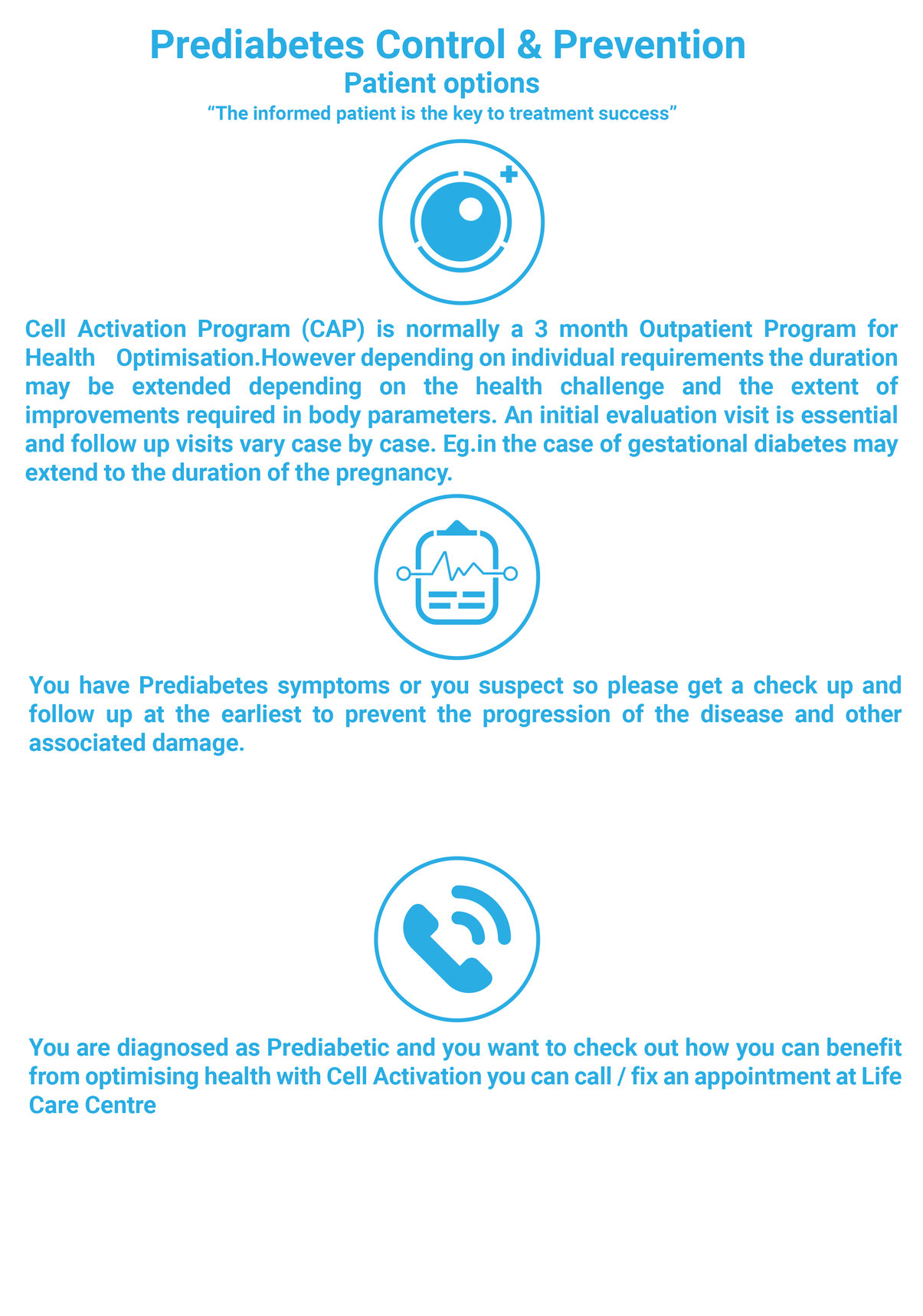
CSLC-CAP is delivered on an out-patient basis at Dr Jolly Thomson’s Life Care Centre, Maliekal Road, Thevara, Kochi, Ernakulam district, Kerala. Patients attend from across Kerala, from other Indian states and from outside India, so the structure is built around scheduled review visits rather than admission. Informed consent and a detailed set of blood tests and scans precede commencement; abnormal tests are repeated throughout, so progress is assessed on reports alongside symptomatic change. Consultation is available in English and Malayalam, and every stage is supervised by modern-medicine doctors.
Initial consultation is available by telemedicine or as a direct out-patient visit; for patients outside Kerala a telemedicine consultation with current medical records is the usual starting point, and families living abroad frequently join that consultation together with their parents. Where the methodology is commenced, evaluation and investigation take place at the centre, with a minimum of three visits one week apart, each occupying a day. Patients travelling from a distance generally arrange to stay nearby for at least two weeks, extending to four and in some cases twelve, according to their condition. Follow-up continues as telemedicine support and scheduled visits, provided by the centre’s doctors and the CAP Care Team — a consultant doctor, a CAP counsellor, a CAP trainer and a pharmacist — through the initial 90 days and beyond as required.
Life Care Centre, Maliekal Road, Thevara, Kochi 682013 · +91 484 2881860 / +91 94959 89534
Frequently asked questions
Can age-related lifestyle diseases be reversed with lifestyle correction?
These are long-term conditions and no cure can be promised. What lifestyle correction addresses is more specific: relief from symptoms, and measurable improvement in insulin resistance and in the metabolic and inflammatory markers that track the condition — blood sugar and HbA1c, blood pressure, lipids, hs-CRP, liver findings and body composition. On that evidence medication can often be reduced. It is closer to remission than to cure: susceptibility remains, and markers can move in the wrong direction again.
Is CSLC-CAP a cure?
No. It is a doctor-supervised methodology for health optimization, working on root causes. Where this article uses the word “reversal” it means a measured, sustained improvement in insulin resistance and inflammation — remission, not cure. The underlying susceptibility remains.
Does medication have to be stopped?
No. Existing medicines continue at the outset. Where symptoms settle and repeat testing shows improvement, doctors may consider reducing the dose step by step — gradually, under medical supervision, guided by reports. In age-related disease some doses, particularly insulin, sulfonylureas and blood-pressure medicines, may need adjusting early rather than late, to prevent sugar or pressure falling too low. No medicine should be reduced or stopped independently, and a steroid should never be stopped suddenly.
Is it too late to start at 70 or 80?
Age alone is not a barrier. The goals shift — strength, balance, independence and, where appropriate, fewer medicines rather than athletic performance. Muscle and metabolic health remain responsive to appropriate inputs well into later life.
Is this available for patients outside Kerala?
Yes. A telemedicine consultation with current medical records is the usual starting point. Where the methodology is commenced, evaluation and investigation take place in Kochi — a minimum of three visits, one week apart. Patients from outside Kerala generally stay nearby for about two weeks, sometimes four and in some cases twelve, according to the condition. Consultation thereafter continues by telemedicine.
What is Oxyflex?
A set of gentle guided exercises performed at home, lying on the bed and then sitting up, working through the body one part at a time in a set order, following a simple chart. No gym or equipment is involved, so it remains possible for someone with painful joints, stiffness or limited stamina.
Important note
This article is provided for general education and awareness. It does not constitute medical advice, diagnosis or treatment, and it is not a substitute for consultation with a doctor. Individual outcomes vary.
Dr Jolly Thomson, MBBS, MD — Life Care Centre, Thevara, Kochi. Last reviewed: August 2026.